
Coronavirus : a pandemic scare turning into an infodemic
Pandemics have the potential to exacerbate underlying social tensions. And at times of crises — when emotions run high — online rumours spread particularly wide and fast.
on February 14, 2020

-
Contributors
Naja Bentzen -
Categories
Articles, Disinformation, Health -
Tags
conspiracy theories, coronavirus, covid-19, covid-19 articles, disinformation, fake news, infodemic articles, pandemic, virus -
Share this
Since the COVID-19 pandemic news was officially confirmed by the WHO China Country Office on December 31, 2019, misinformation, disinformation, and conspiracy theories have flourished. Initially suppressed and heavily curated by the Chinese regime, the pandemic has become a breeding ground for erroneous information and deliberate manipulation.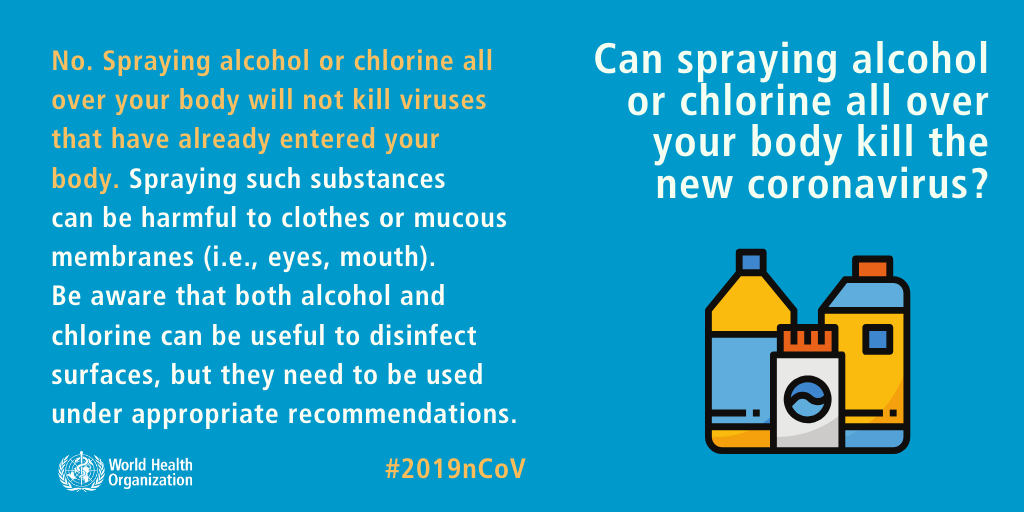
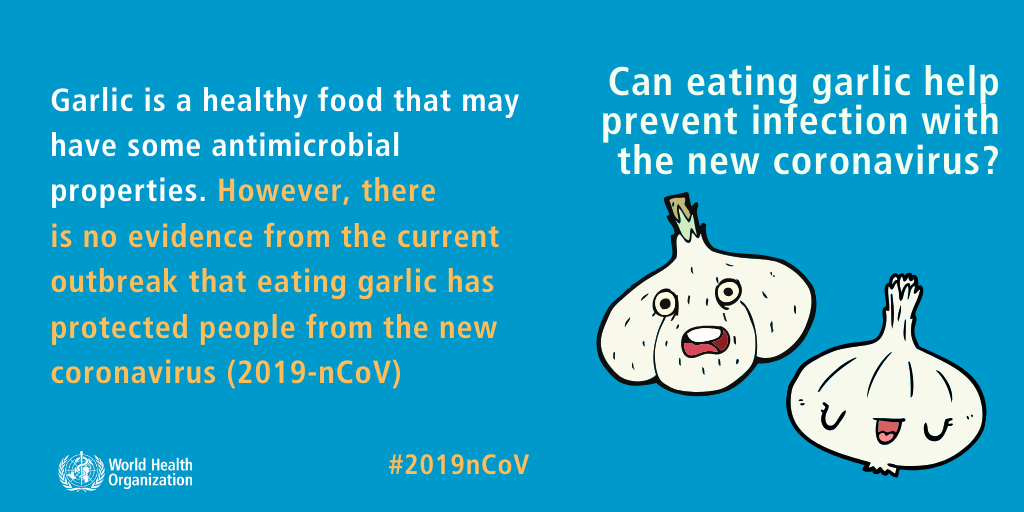
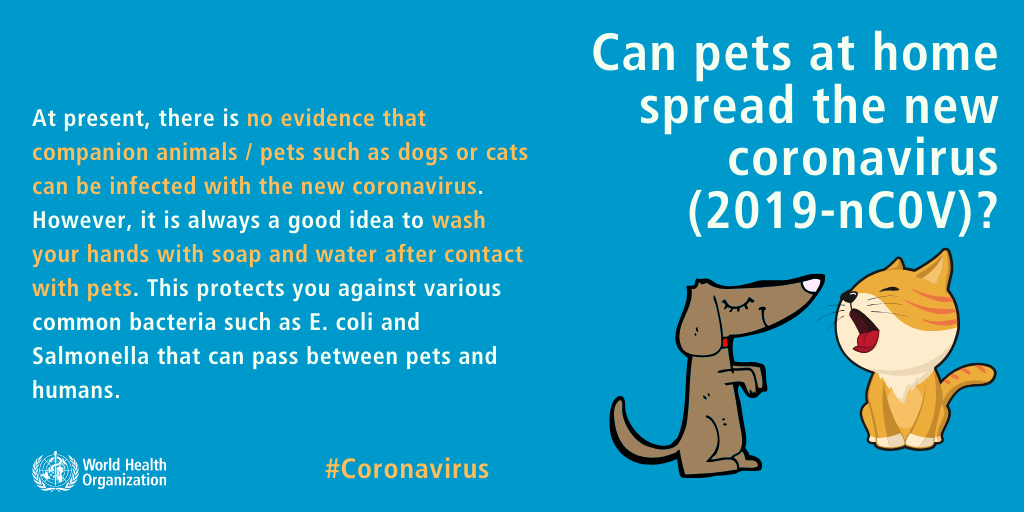
The humanitarian crisis is being accompanied by an information crisis. Social media users have been sharing misinforming 'advice' about how eating garlic or drinking bleach could counter the disease.
At the same time, conspiracy theories suggesting that the virus originated from covert biological weapons programmes have mushroomed. Twitter took down the account of right-leaning blog ZeroHedge — notorious for peddling conspiracy theories — for accusing a researcher from Wuhan of creating the virus as a bioweapon. Russian state media have hinted that the US has weaponised the virus to annihilate the Chinese. In Indonesia, conspiracy theories claiming that the virus is a 'punishment' from Allah — or, conversely, that the virus has been weaponised by the Chinese to eradicate Muslims — have added an explosive religious component to looming racism fears.
Debunking conspiracy theories is notoriously difficult, as conspiracy theorists tend to be emotionally invested in their beliefs - contradictions can be seen as provocations, confirming that 'that's what they want you to believe'. Instead of attacking the conspiracy theorist tribes, some debunkers work to gain respect within the tribe before they share the facts; a slow process. Falsehood flies, and the truth comes limping after it, Jonathan Swift said back in 1710. As the coronavirus pandemic and infodemic continue to unfold — with all the resulting emotions — the challenge of clipping the wings of falsehoods is set to increase.
Against this backdrop, the WHO is cooperating with Google to boost the visibility of verified information. Other social media platforms — including Twitter, Facebook, Tencent, and TikTok — are also taking steps to curb the spread of rumours about the virus. At the same time, the WHO is making public health information — including COVID-19 myth busters — available on its social media channels such as Weibo, Twitter, Facebook, Instagram, LinkedIn, Pinterest.
Additional information and useful sources:
- EPRS AaG on conspiracy theories
- EPRS AaG on how to spot when news is fake
- The WHO's myth busters about novel coronavirus — ready to share on social media.
The pictures of the article were taken from the World Health Organization website.