Rosa Garcia-Verdugo
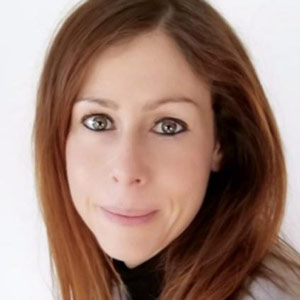 Rosa García-Verdugo studied biochemistry and, after several years at the bench, completed a PhD in Neurobiology at the Max Planck Institute. She is the author of Genética eres tú (Paidós/Grupo Planeta), a popular science book on genetics, and the founder of starvingneuron.com. She contributes to science outreach networks in Spanish and English, and works as a freelance science communicator and medical writer serving biotech companies and European research institutions.
-
Phage therapy: From last resort to routine medicine
Ever more often, bacteria, viruses, fungi and parasites stop responding to the medicines designed to treat them, such as antibiotics. This antimicrobial resistance (AMR) poses a growing threat, with an estimated 8.22 million deaths globally in 2050. Armed conflicts are escalating the situation: conflicts... -
Interview with Prof Dietram A. Scheufele on the challenges of science communication today
 More evidence does not move a skeptical public; often, it makes them sit tighter. Prof Dietram A. Scheufele, an expert in science communication at the University of Wisconsin–Madison, explains why science communication often fails on polarized topics and how AI may worsen the problem. Science communication...
 -
A scientist's opinion: interview with Dr Mariya Stoilova on recent social media bans for children
 Dr Mariya Stoilova is a Postdoctoral Researcher in the Department of Media and Communications at the London School of Economics and Political Science (LSE) and Manager of the Digital Futures for Children centre (DFC) investigating children’s rights in the digital environment. She recommends amongst others...
 -
A scientist's opinion: interview with Francesca Pisanu on recent social media bans for children
 "A social media ban alone cannot address the full spectrum of risks children face online," says international children's rights expert Francesca Pisano. She is an EU Advocacy Officer at Eurochild, where she informs and influences EU policy and legislation to advance children’s rights across Europe. ...
 -
Is banning children from social media 'the' answer?
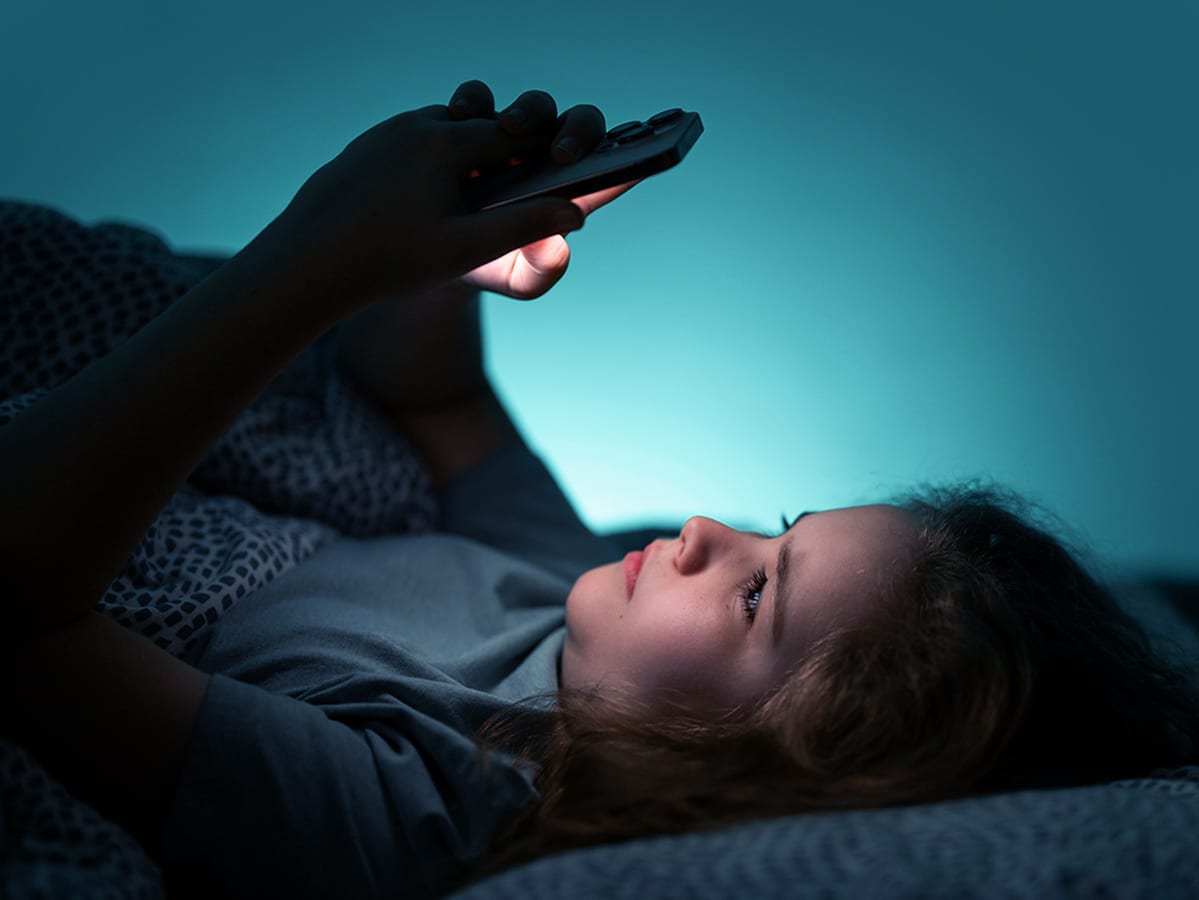 For many parents and policymakers alike, banning children from social media feels like the responsible thing to do in the fight against issues such as anxiety, sleep problems and screen addiction. But researchers warn that a social media ban alone cannot address the full spectrum of risks that children...
 -
A multilingual news platform for better-informed EU citizens
 Wouldn't it be great to be able to access foreign news in your own language? A recent STOA study explores the idea of a news streaming platform that could transform how EU citizens access information across linguistic boundaries. The ESMH spoke with the two main authors of the study from the Centre...
 -
A scientist’s opinion: interview with Dr Konrad Bleyer-Simon on building a European news streaming platform
 Dr Konrad Bleyer-Simon is lead researcher of STOA’s project “A European news streaming platform. Study on European added value and governance”. Could you elaborate on the concept of a European news streaming platform and outline the potential benefits it could offer to EU citizens? Konrad Bleyer-Simon:...
 -
A scientist’s opinion: interview with Dr Jan Erik Kermer on building a European news streaming platform
 Dr Jan Erik Kermer is co-lead Researcher of STOA’s report on “A European news streaming platform. Study on European added value and governance”. Why do we need a European news platform when people can already watch news from other countries online; are EU citizens interested in news from other EU...