-
Towards a democratically upgraded Artificial Intelligence

Artificial Intelligence challenges democracies but democratic institutions, especially in the EU, are not mere bystanders and are in the process of supporting AI and providing a legal framing, through education and regulation.
-
ESMH : Tackling misinformation in science
How scientists, policymakers and journalists could work better together in order to tackle misinformation and provide evidence-based science information for people?
-
ESMH Press Review - February 27, 2019
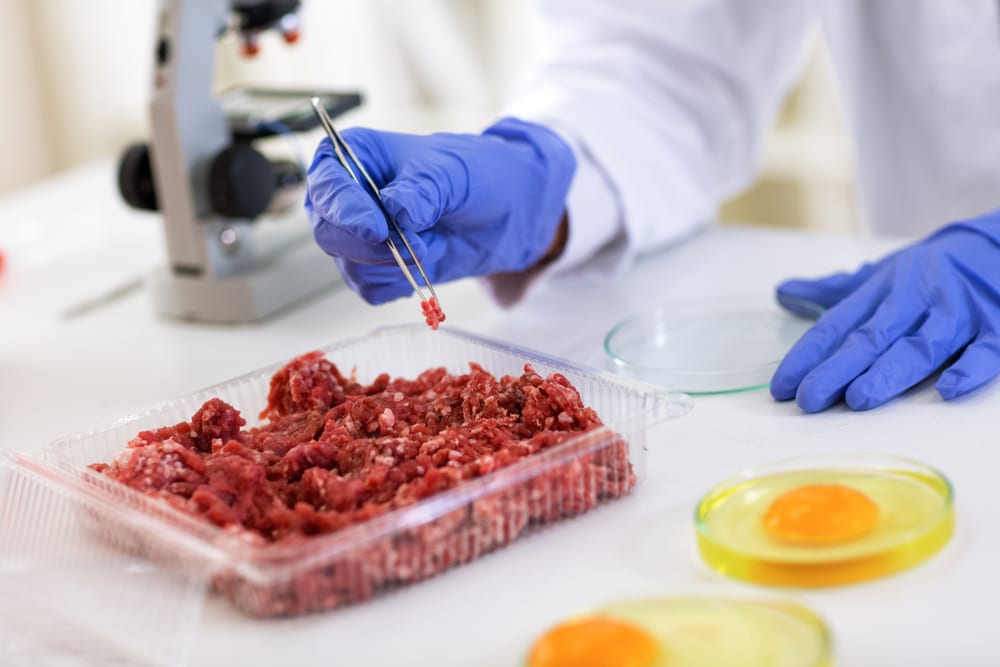
Lab-grown meat, alternative fuels, GMO labels and pseudo-science : check the latest ESMH selection of 17 science and tech news published in the last 2 weeks on the web. Pick your favourite from the most popular topics in the mainstream media!
-
ESMH workshop: Tackling mis/disinformation in Science Feb. 6-8, 2019
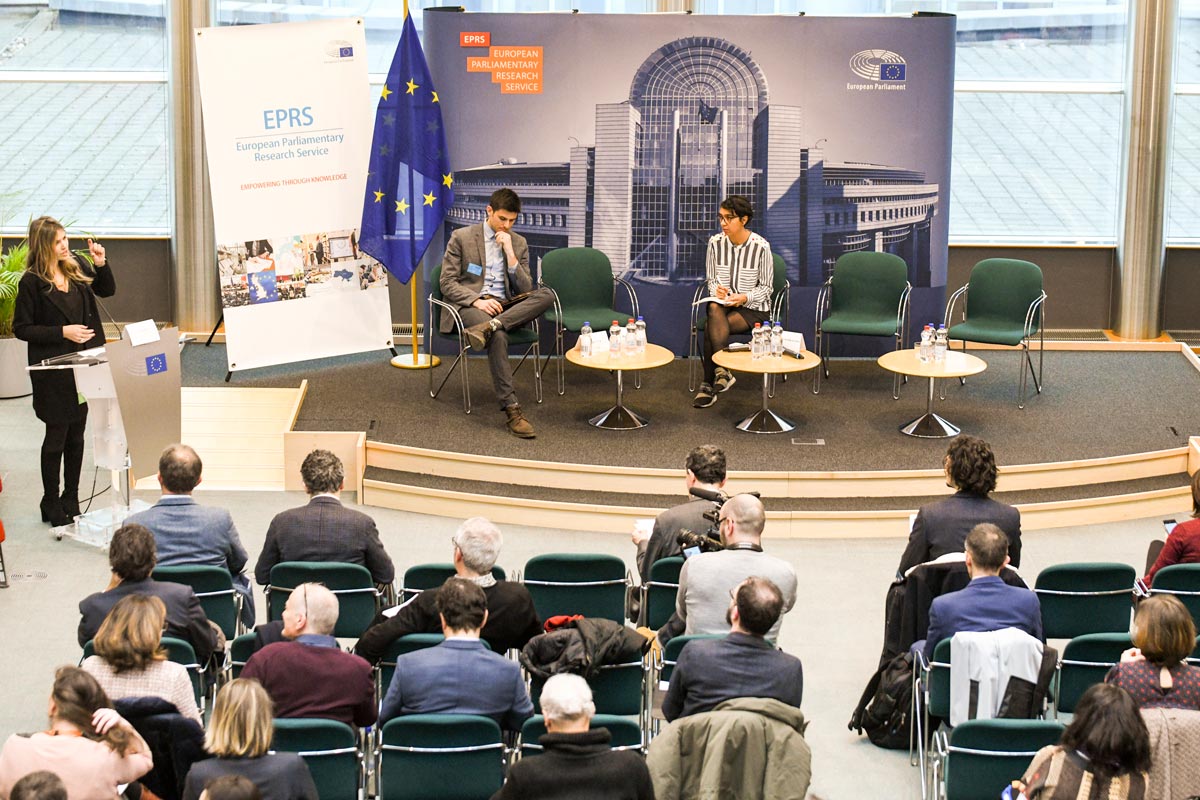
Scientists & journalists discussed about disinformation & the need to ensure better circulation of sound scientific information at the ESMH workshop .
-
EU Project : AUTOPILOT
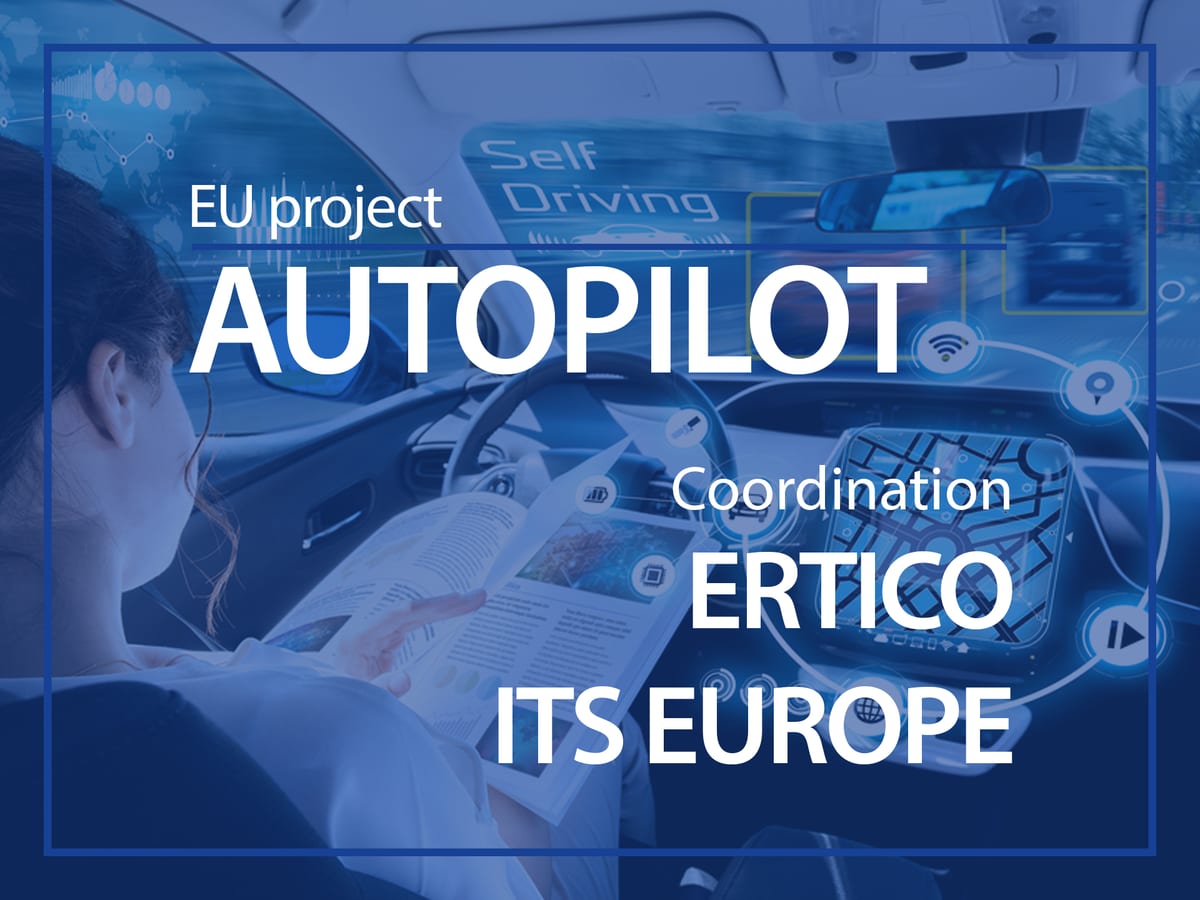 AUTOPILOT: Automated driving is expected to increase safety, provide more comfort and create many new business opportunities for mobility services. The Internet of Things (IoT) will play an important role in enhancing automated driving functions, by providing information to the vehicle from a multitude...
 -
EU Project : AUS degree
 AUS degree: For anyone interested in a career related to self-driving cars, robotics or artificial intelligence, EIT Digital Masters School offers a two-year master programme in Autonomous Systems (AUS). AUS is a combination of computer science and electronic engineering. During the programme, students...
 -
Autonomous cars : will roads be safer if algorithms replace human drivers?
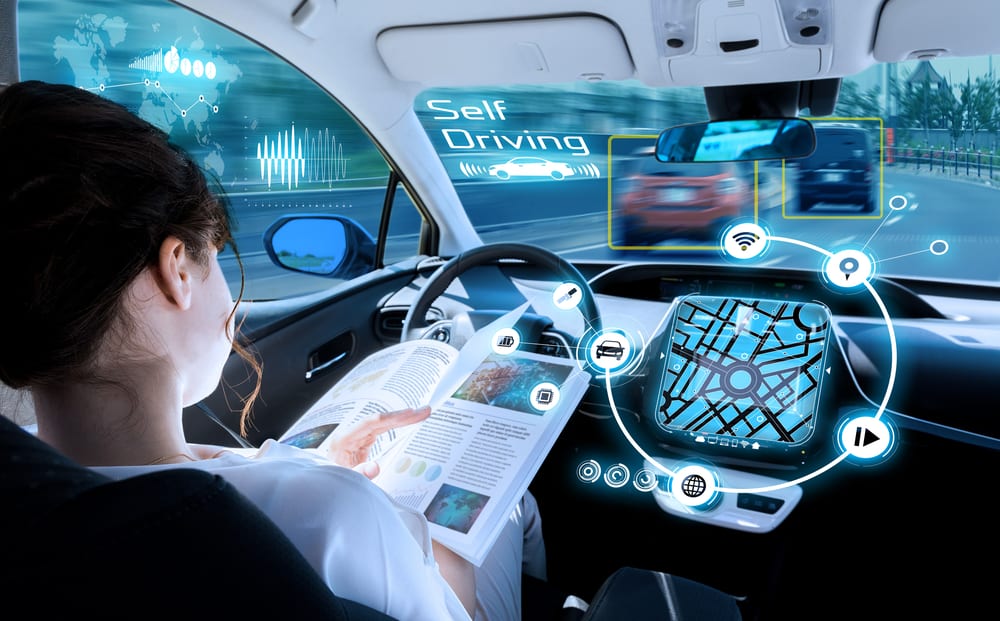
Research on autonomous cars has received a boost from the European Parliament, but the technology still raises many questions. Can it be safe and ethical? Will it totally eliminate the need for human drivers? And, of course: when will this happen?
-
ESMH Press Review – February 13, 2019
Self-driving vehicles, extinction of megafauna, the positive effect of AI on doctors: check the latest ESMH selection of 18 science and tech news published in the last two weeks all around the web. Pick your favourite from the most popular topics in the mainstream media!

European Science-Media Hub
Bringing scientists, journalists and policymakers together: communicate better sound science to all