-
Kristof Varga : "Content does not make things viral. People do."
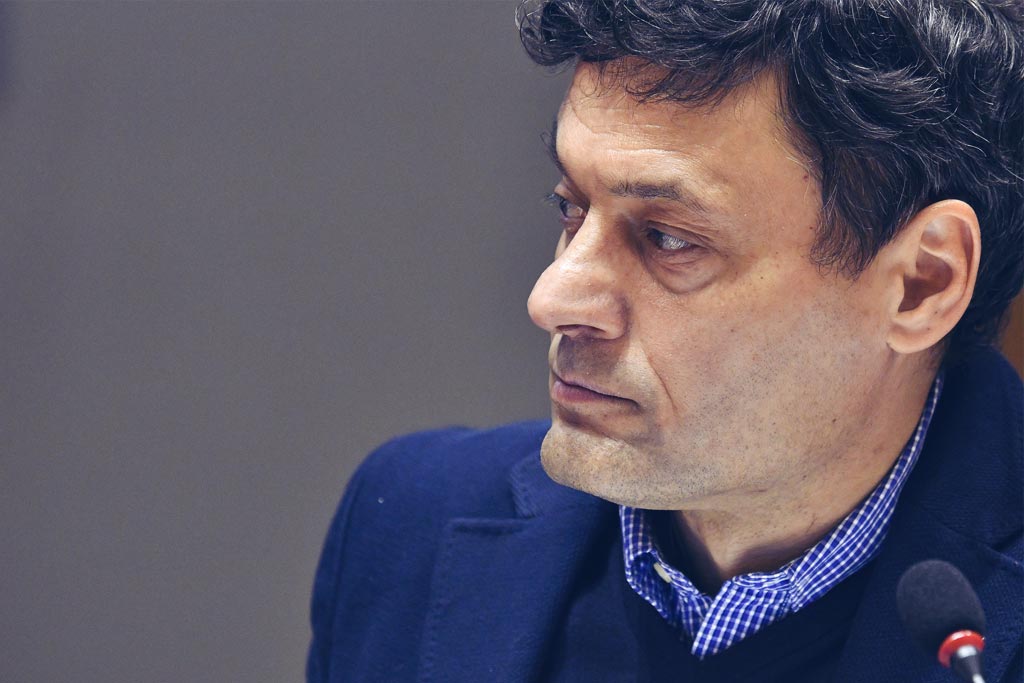
Kristof Varga is a Consultant on policy development and social media and formerly Director of the Public Division at Bakamo.Social. He participated in the ESMH event Virality and influencers in digital communication on 3 April 2019 in the European Parliament.
-
ESMH Press Review – May 8, 2019

GDPR first anniversary, ecosystems and alternative medicine: check the ESMH selection of 19 science and tech news published in the last 2 weeks on the web. Pick your favourite from the most popular topics in the mainstream media!
-
Online disinformation during elections : researchers in Europe team up to monitor and analyse the situation

As has been the case for many recent national elections, the European Parliament elections are also facing the challenges of online disinformation. The European Commission is making an extra effort to push giant tech companies to implement a voluntary code of conduct against disinformation. European...
-
STOA Study : Technology and social polarisation
 Consult the full study With the Cambridge Analytica scandal, it became clear how technologies such as social media and techniques such as psychological profiling can be combined in election campaigns with worrying effects. Personalised political messaging is highly automated. It starts and ends with...
 -
STOA Study : Polarisation and the news media in Europe
 This report describes a review of the literature examining the effect of news use on polarisation across Europe. In considering work concerned with both the supply side of news (news production) and the demand side (news consumption), the report concludes that across Europe there is as yet little evidence...
 -
ESMH Press Review – April 26, 2019

Internet bots, a new vaccine against malaria and some latest reports on disinformation: check the ESMH selection of 24 science & tech news published in the last 2 weeks on the web. Pick your favourite from the most popular topics in the mainstream media !
-
ESMH workshop : Virality and influencers in digital communication April 3, 2019
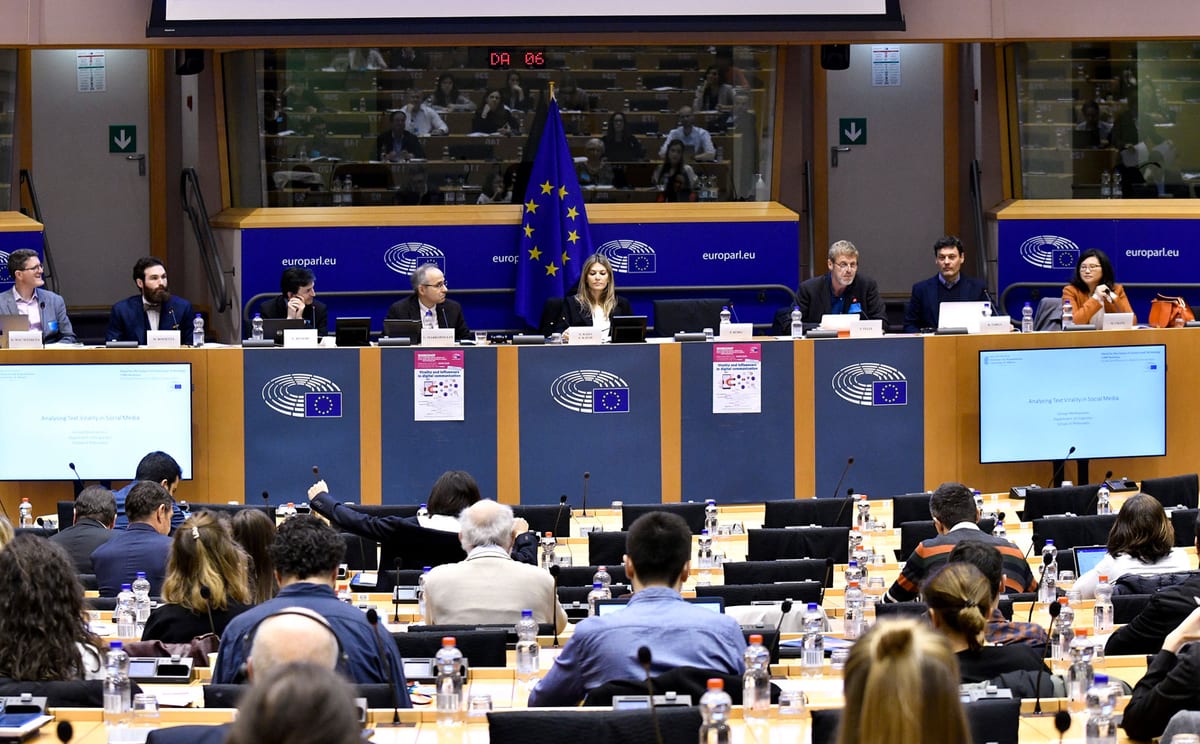
What drives virality on the social media platforms? How can technology carry and amplify messages, so that they "go viral"? Who are the so-called "influencers" and how do they use the social media to increase followers? And how can the European message be conveyed more effectively?
-
Presentations of the ESMH for journalists in Italy
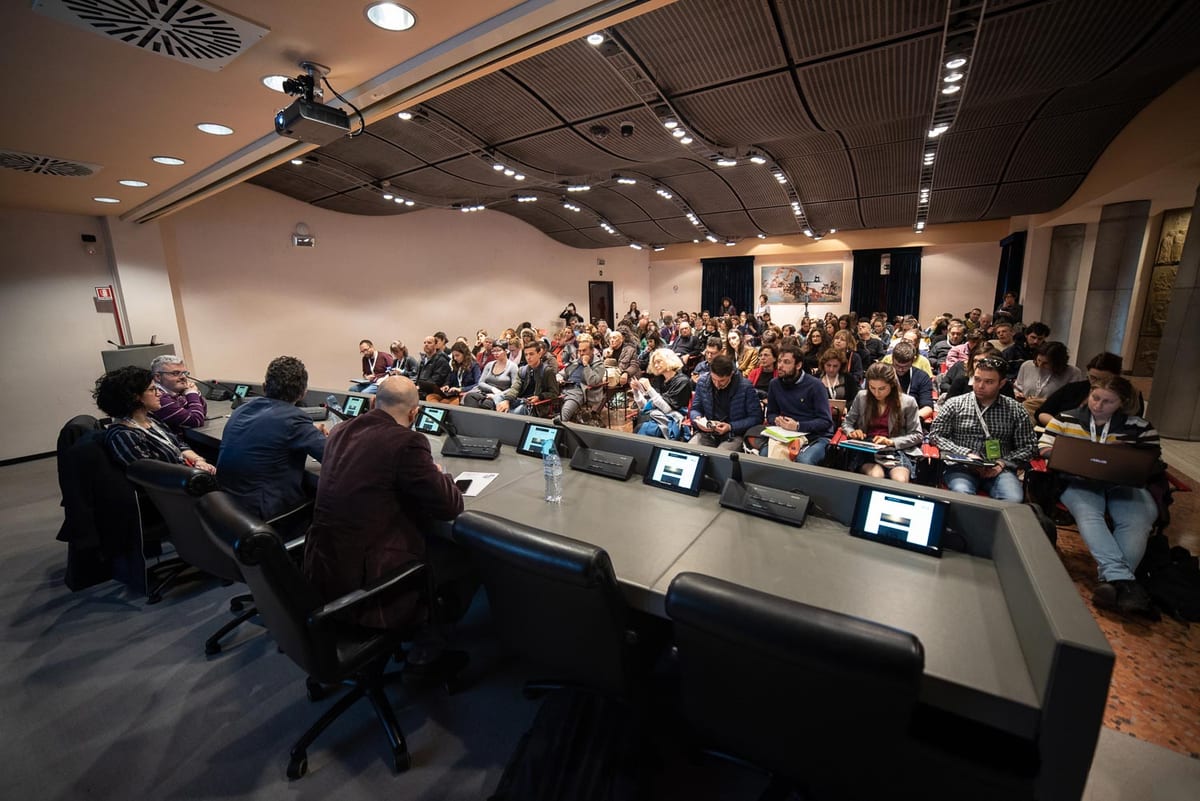
The ESMH presented its mission, activities and its facilities for journalists. They meet at three important journalism fora this spring. The International Journalism Festival (4 April, Perugia). The 7th national congress of science writers in Italy (19 March, Naples). And the International Science Journalism...

European Science-Media Hub
Bringing scientists, journalists and policymakers together: communicate better sound science to all