 This content has been created by the European Science-Media Hub
 -
For a social approach to the transition to smart cities
 A smart city is a place where digital technology is used to make networks and services more efficient for the benefit of its inhabitants and businesses. But as this transition to smart cities has very much increased in the last years, it is also necessary to pay attention to the costs and risks that...
 -
STOA’s work on health during a term marked by the Covid-19 pandemic
 In the 2019-2024 European Parliament legislative term, the EU faced the biggest health crisis of a generation: Covid-19 and its consequences. The pandemic put health in the spotlight of European decision-making and it also featured prominently in the work of the European Parliament’s panel for the...
 -
Technologies at the heart of STOA's work on Green Deal
 The EU Green Deal has been a priority for the European Parliament's Panel for the Future of Science and Technology (STOA) in the 2019-2024 legislative term, with the scientists, other experts and MEPs exploring how technology can help reduce Europe’s carbon footprint. Creating a climate-neutral EU...
 -
ESMH Media Review – June 26, 2024
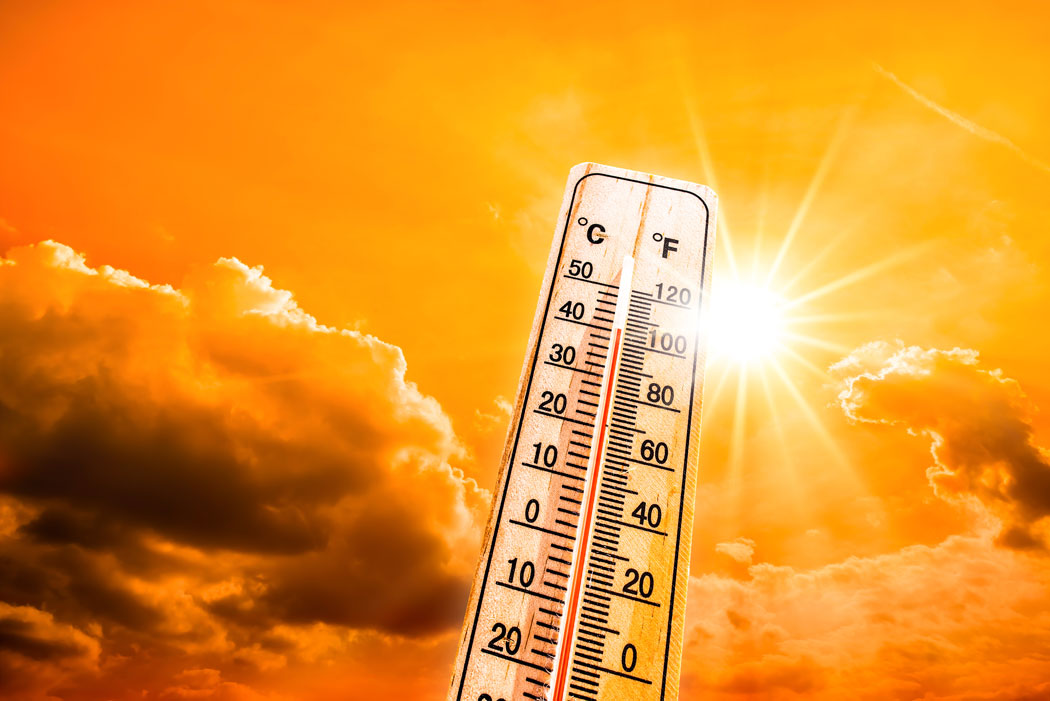
Deadly heatwaves, many passwords cracked in one minute, EU Commission blames low R&D investment for economic stagnation, family sues NASA for space junk, and more: check out the ESMH selection of 23 science and tech news items published recently on the web.
-
STOA's key work on artificial intelligence in the European Parliament’s legislative term 2019-2024
 The European Parliament’s Panel for the Future of Science and Technology (STOA) took an early interest in a technology that is increasingly shaping our world: Artificial Intelligence. Its experts, scientists and MEPs recognised the potential of AI for sectors like education, medicine and computing,...
 -
Ensuring the supply of critical raw materials in the EU
 From everyday items to cutting-edge technology, critical raw materials (CRM) are an essential part of the EU economy. Yet supply chains are at constant risk of disruption. One reason, is that extracting and processing CRMs often do not take place in the same place. Extraction in one region does not...
 -
Neurorights: how to protect mental privacy in the area of neuroscience?
 Neurotechnologies are tools for recording and interpreting brain activity. They aim at rehabilitating, restoring or even modifying brain functions. Neuro-enhancement is the field of improving brain capacity. These methods raise ethical issues. So, does the sector need EU regulation? A new concept...
 -
Tackling the environmental impact of the textile sector
 After food, housing and transport, textiles come in fourth place for environmental impact at EU level. Yet textiles are also essential to our daily lives, from clothing and furniture to protective equipment and even buildings and vehicles. How can we reduce this impact and make the textile industry...
European Science-Media Hub
Bringing scientists, journalists and policymakers together: communicate better sound science to all