Articles
ESMH regularly publishes articles on topics related to science and new technologies that provoke a lot of media attention and that are important in the European context. Most importantly, the articles are written with the help of science writers in journalistic style and always provide the opinion of one or more scientists on the topic. The publications are accompanied by a selection of links to related information and with a focus on European research and knowledge in the field.
-
Art-ificial or Art-istic Intelligence?

Computers are already learning how to compose music, write novels and draw like Picasso. But is AI capable of creating art on its own?
-
Covid-19: Keeping a close eye on the models
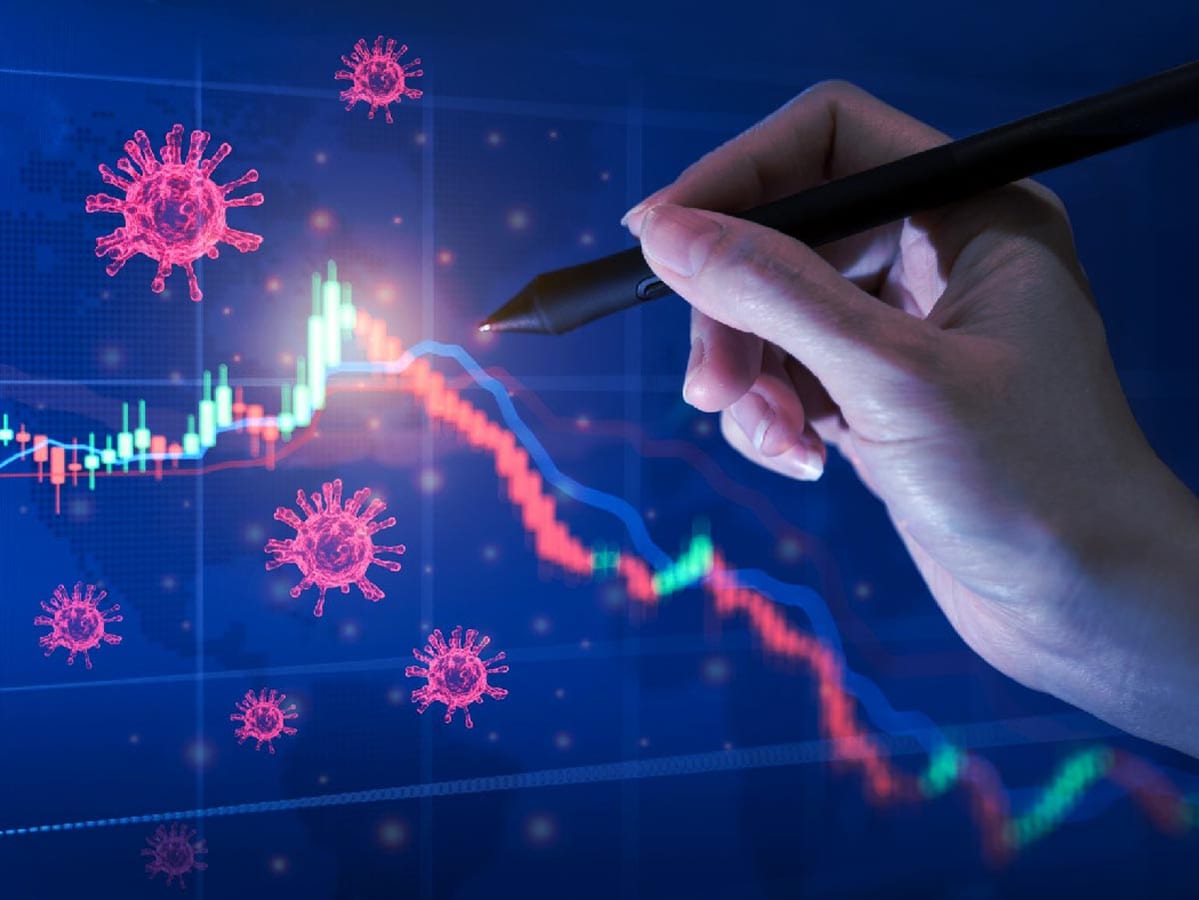
As many European countries start to relax Covid-19 restrictions and reopen to foreign visitors whilst still rolling out vaccination programmes, it is more important than ever to stay one step ahead of the virus by accurately monitoring cases and predicting outbreaks.
-
55% reduction of greenhouse gas emissions by 2030: 'It’s a Herculean effort'
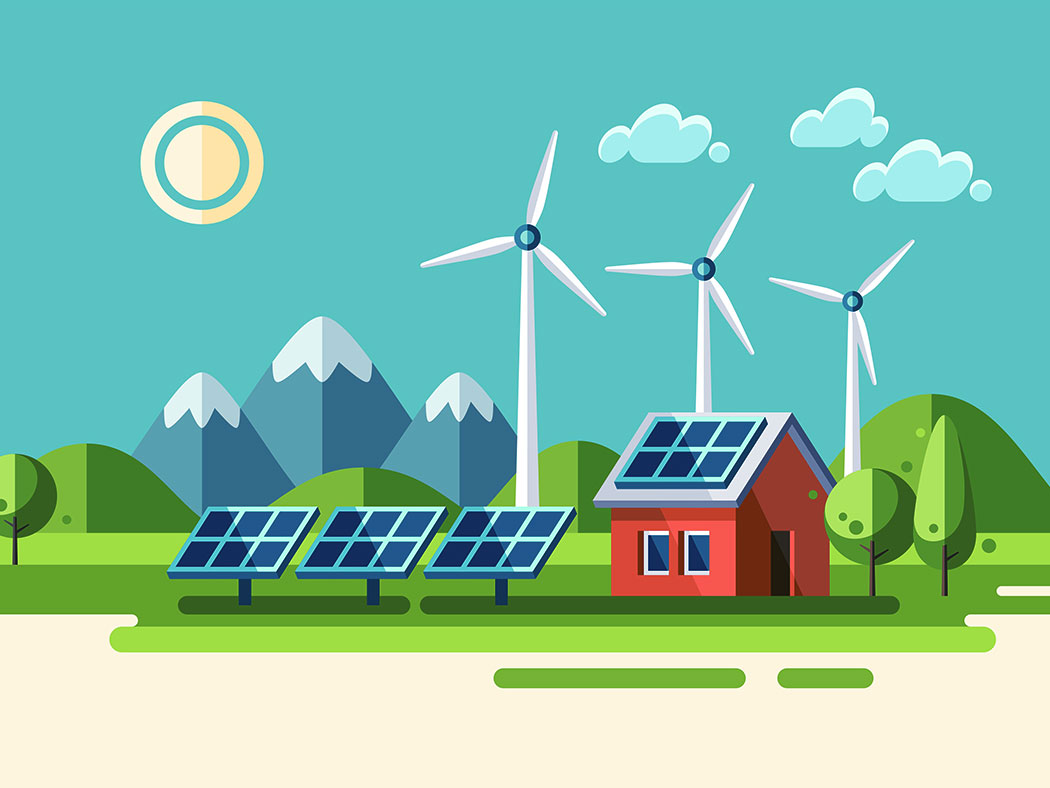 Interview with Prof. Nebojsa Nakicenovic, energy economist and systems analyst from the International Institute for Applied Systems Analysis and Vienna University of Technology and Deputy Chair of the EU’s Scientific Advise Mechanism. The EU’s Scientific Advise Mechanism (SAM), comprised of the Group...
 -
Not going back to the way things were: climate change and Covid-19 recovery

Over the past year, the Covid-19 crisis has caused us to reflect on how we interact with our natural environment. As the world plans recovery from the pandemic and this November’s COP26 Climate Change Conference looms into view, now may be a key juncture in understanding how to best align these priorities...
-
The AI cyber nexus: mending defences, recasting threats

AI could help improve cybersecurity practices, making for a safer online world. On the flipside, its inbuilt technical traits bring new risks and threats. So what is changing in cybersecurity with AI, and how can we manage the changes ?
-
The EU Digital COVID Certificate – towards a European Health Union?
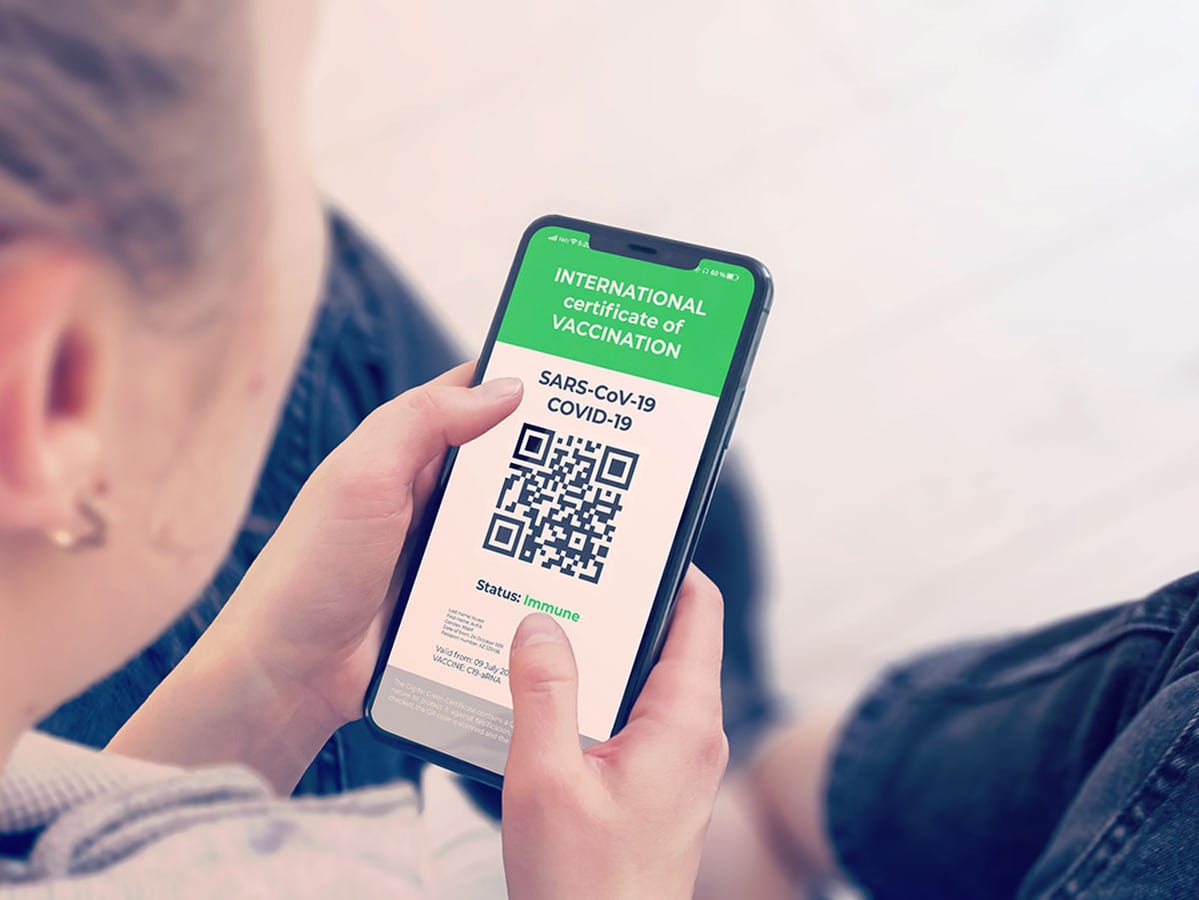 The EU Digital COVID Certificate will facilitate safe free movement of citizens in the EU during the COVID-19 pandemic. It will become available in all EU Member States as of 1 July. The massive economic, social and human impact of the COVID-19 pandemic has raised fundamental questions about healthcare...
 -
COVAX and the challenges of worldwide vaccine access
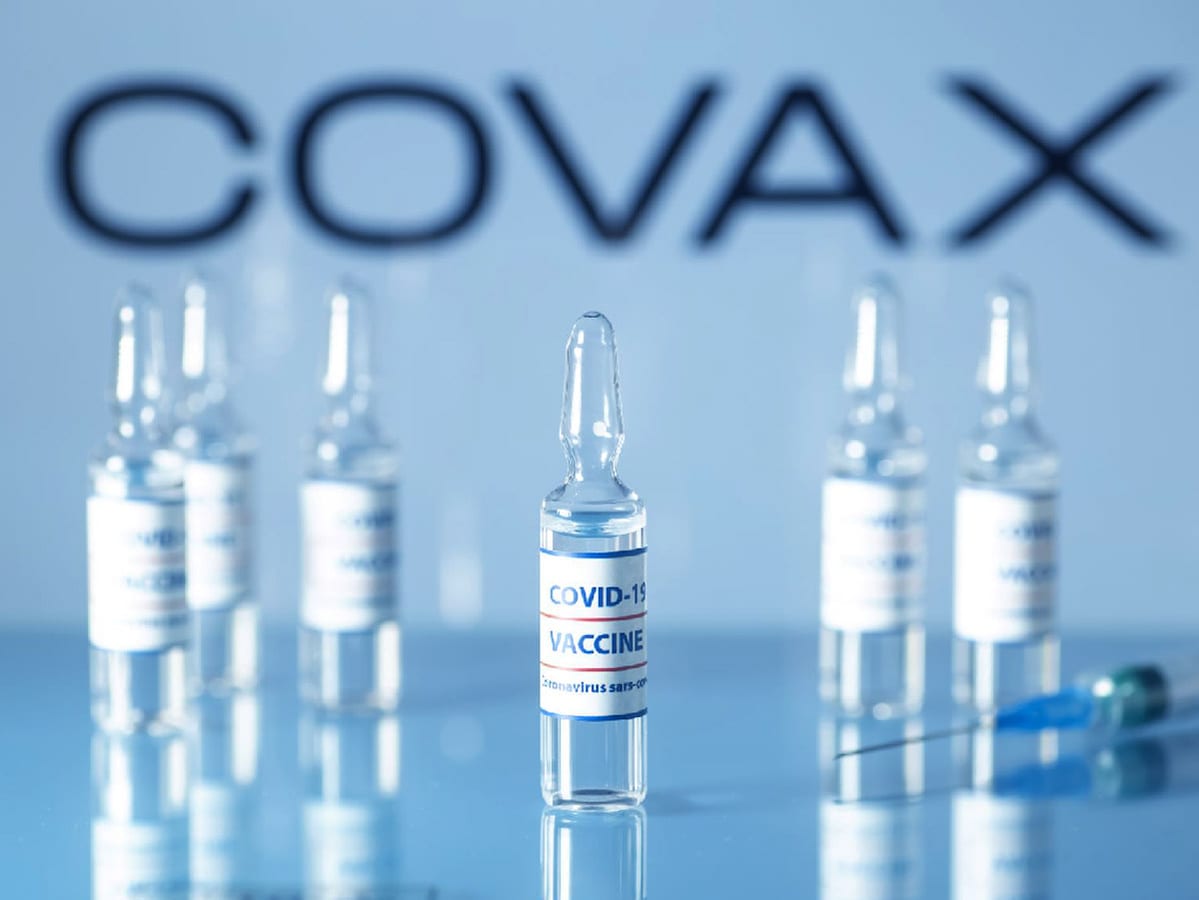
Vaccines are showing us a way out of the coronavirus pandemic, but vaccine access is still shockingly inequitable. Over a billion doses have been administered since December 2020, but the vast majority have gone to citizens of high-income countries. The COVAX initiative, a unique collaboration led by...
-
HERoS: How can we improve our response to health emergencies?

A European research consortium (HERoS) was set up to learn from the present COVID-19 pandemic and to provide decision-makers with the necessary information and tools to more efficiently and effectively respond to future disease outbreaks. Some outcomes of this collaboration include a tool to optimise...