Articles
ESMH regularly publishes articles on topics related to science and new technologies that provoke a lot of media attention and that are important in the European context. Most importantly, the articles are written with the help of science writers in journalistic style and always provide the opinion of one or more scientists on the topic. The publications are accompanied by a selection of links to related information and with a focus on European research and knowledge in the field.
-
European responses to the corona crisis - Part 16
During the Coronavirus crises, the European Science-Media Hub is collecting and publishing a regular update of the most relevant releases provided by EU institutions and other European and global actors. 🆕 Last Update : 9 December 2022
-
Saving the planet: How far are we prepared to go?
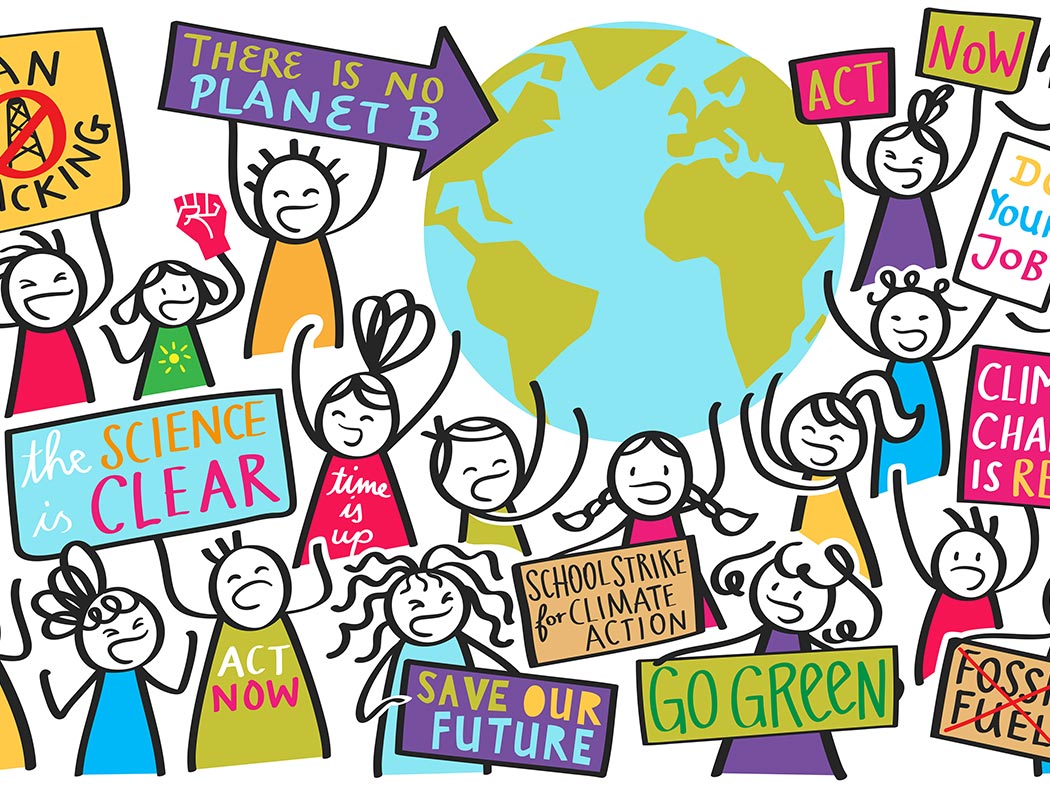
People are increasingly concerned about the climate crisis, but are they ready to change their daily lives to help save the planet? Awareness of global warming does not imply that any climate policy will go down well with the public. Research shows what strategies work the best to get citizens on board...
-
The future of AI for healthcare: 'AI can make a huge difference'
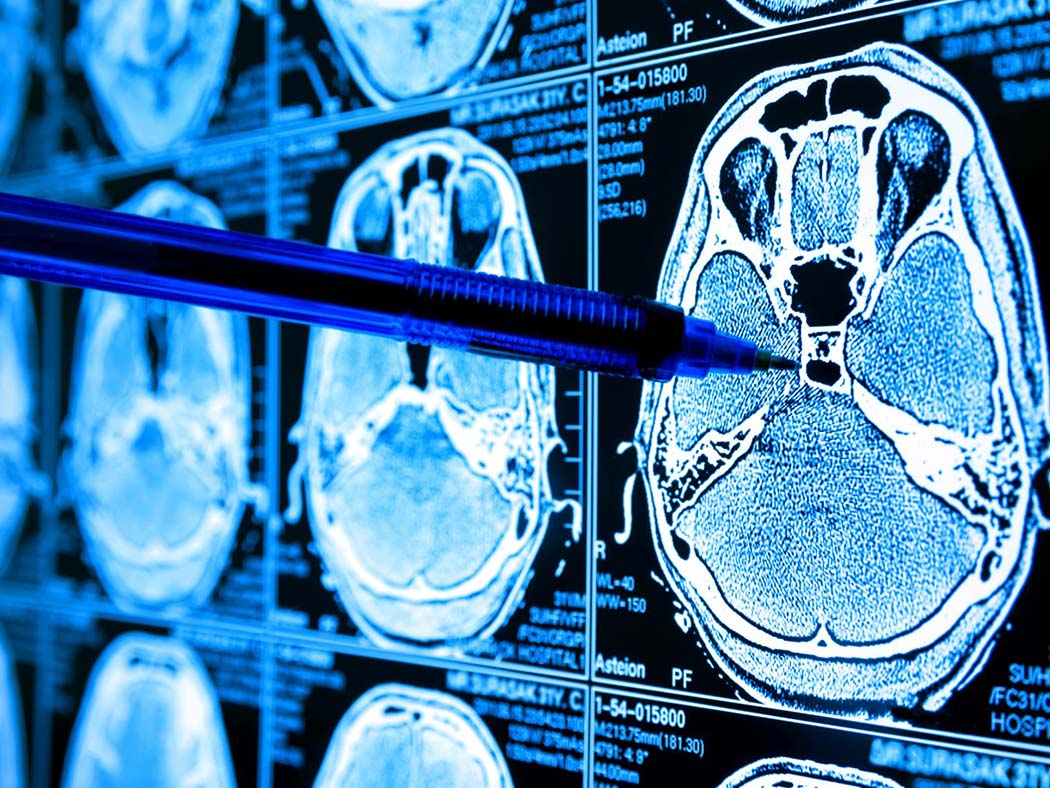
Artificial intelligence (AI) plays an increasing role in healthcare. It can automate repetitive tasks and help doctors to better diagnose certain cancers. Will AI soon be able to do diagnostics and predictions for disease and treatment which go beyond human’s capacities?
-
Ciara Greene: "How false news and memories change readers’ behaviour"
 Cognitive psychologist Ciara Greene studies attention and memory at University College Dublin. Greene recently published a study on how pandemic-related false news changes people’s behaviour. In this interview, she talks about their psychological experiments to demonstrate our susceptibility to false...
 -
Making the medical imaging pipeline smarter
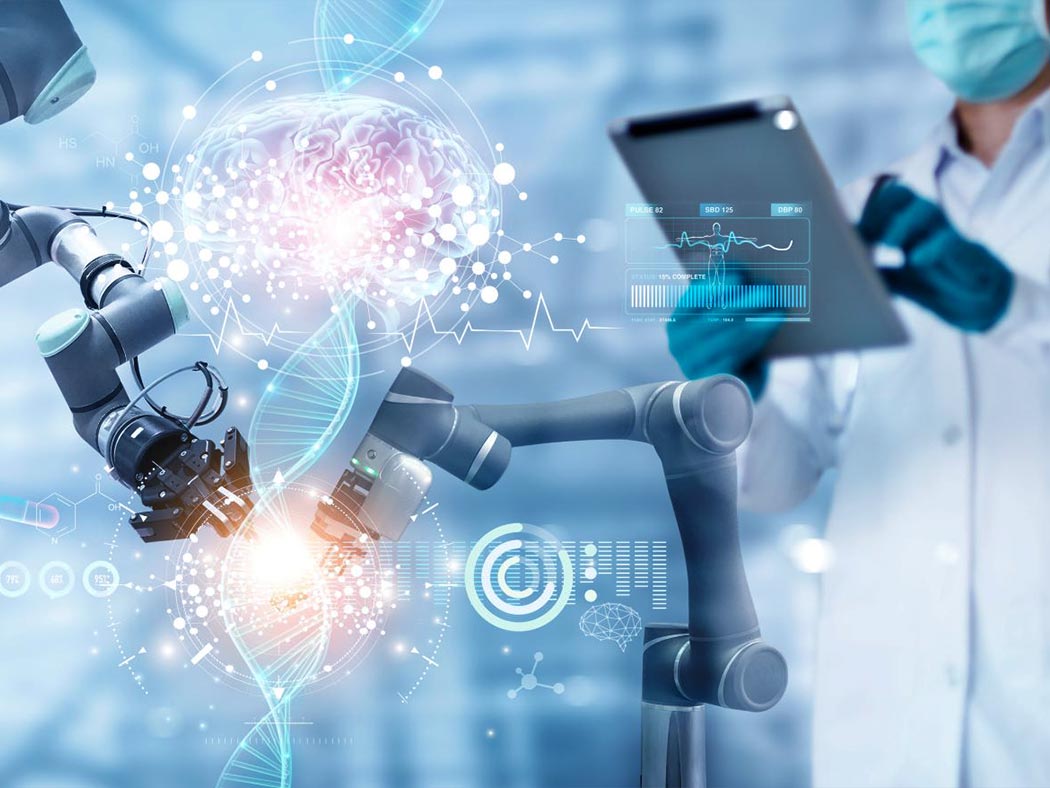 An interview with Prof. Dr Daniel Rückert, Alexander von Humboldt Professor for Artificial Intelligence in Medicine and Healthcare at the Technical University of Munich (Germany). In 2020, he received a EUR 2.5 million European Research Council (ERC) grant for the five-year project ‘Deep Learning for...
 -
"Interactive dialogue on social media platforms can help build public trust" - takeaways from the ESMH event at EYE2021
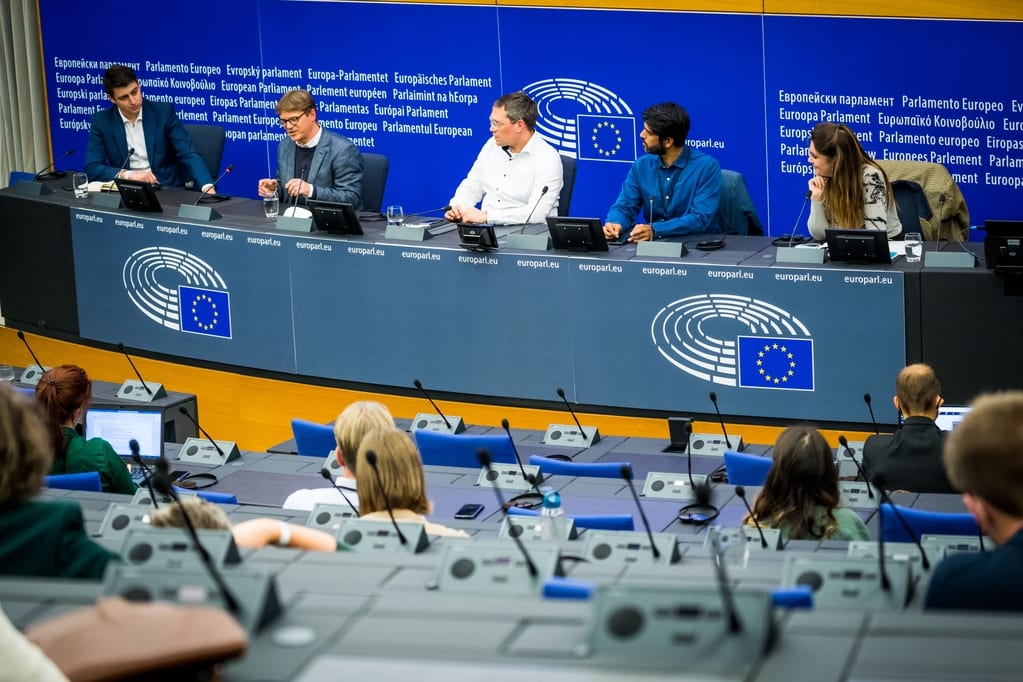
What lessons can we learn from Covid-19 to help us tackle the climate emergency? Has Covid-19 changed the way in which we interact with science? How can we reduce the impact of misinformation? And what roles should policymakers, journalists, scientists, and online platforms play?
-
Fighting abusive deepfakes: the need for a multi-layered action plan
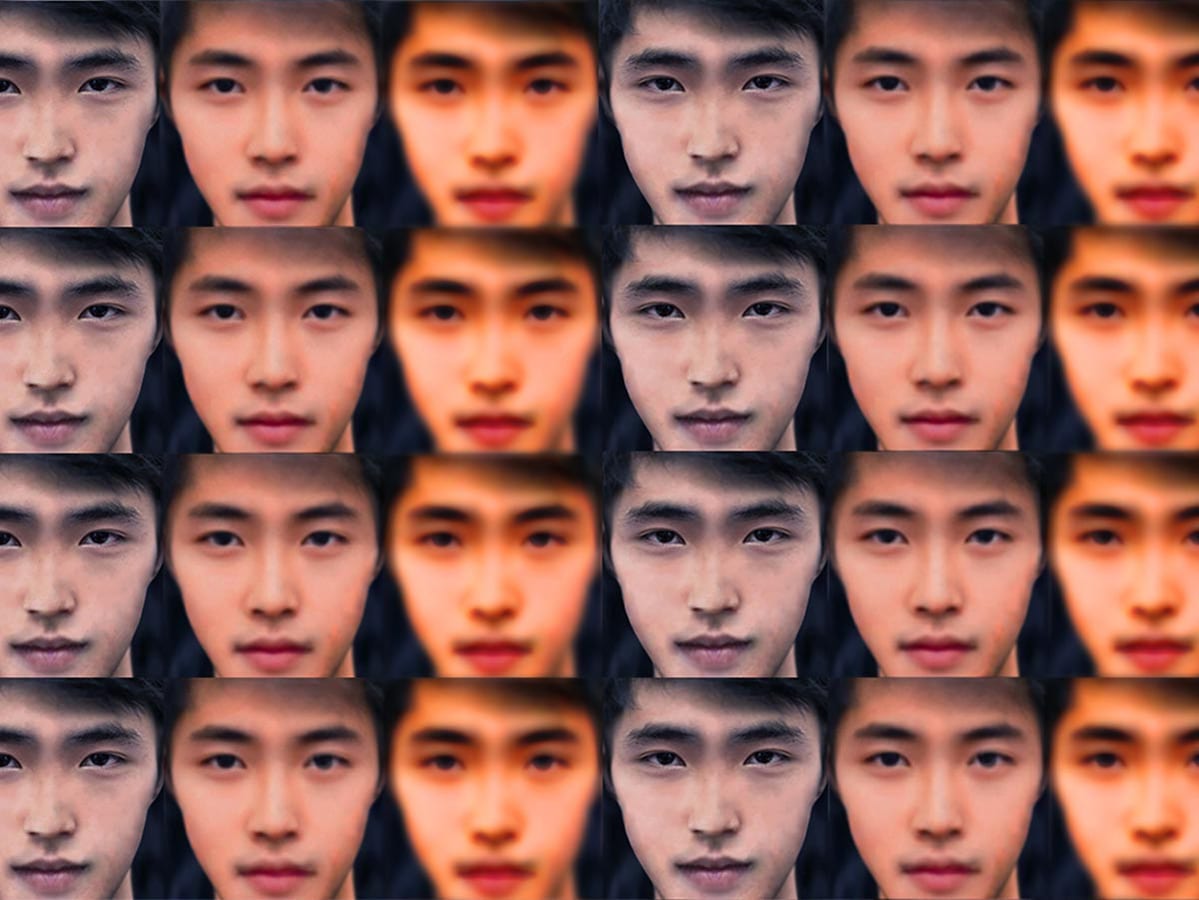
Deepfakes videos herald some promise for the media industry, but at present they are mostly used for malicious purposes including the production of non-consensual pornography. The law is failing to protect victims as it struggles to keep pace with technological advances.
-
Edvard Moser: "Neuroscience is evolving at an accelerated speed"
 Interview with Prof. Edvard Moser. On 12 October, the Panel for the Future of Science and Technology (STOA), in collaboration with the International Brain Initiative (IBI) and the Kavli Foundation, organised a workshop at the European Parliament entitled "The International Brain Initiative – Shaping...