
research
-
ESMH Media Review – March 27, 2024
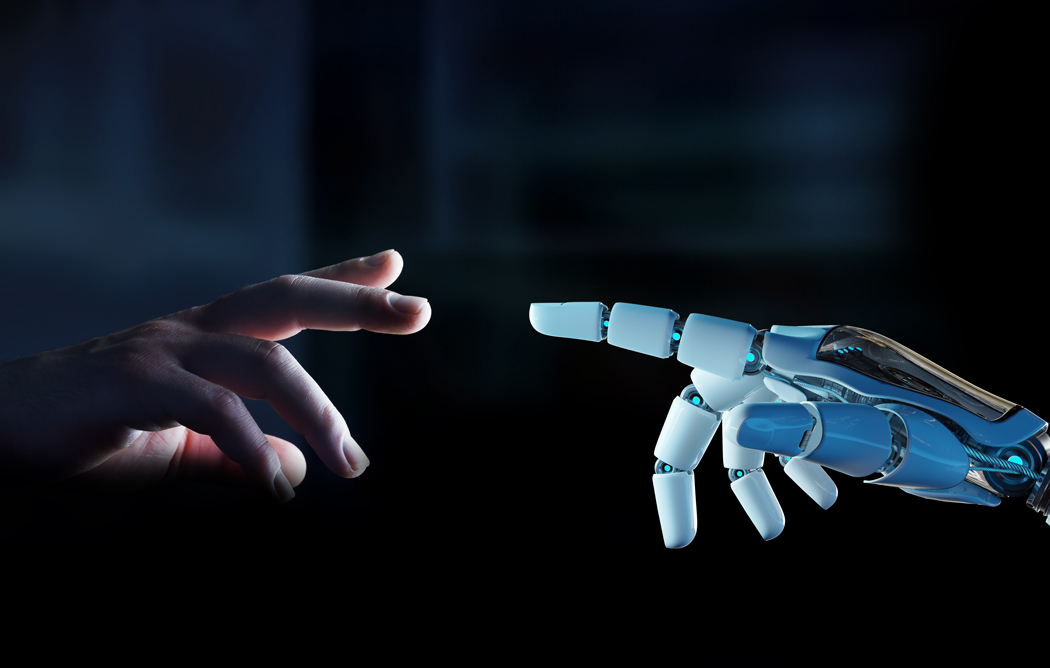
The future of Horizon Europe for research and innovation, generative AI in research, AI as the new goldmine for Europe: check out the ESMH selection of 22 science and tech news items published recently on the web.
-
Risks and challenges of the agent of the lung disease Mycoplasma pneumoniae
 The prevalence of this atypical lung infection agent is widely underestimated - people are often not even aware that they have it - and many antibiotics cannot effectively treat it; Mycoplasma pneumoniae outbreaks occur every few years. This winter, countries like China, Denmark, France and the Netherlands...
 -
Research integrity in Open Science for Europe
 Open Science is the idea of disseminating knowledge as soon as it becomes available, using digital tools. It is a development that could greatly improve the quality of research and as such, it is a priority for the EU. But Open Science doesn’t come without risks. In order to safeguard academic freedom...
 -
Prof. John O’Keefe: 'Politicians and researchers should think about AI regulation'
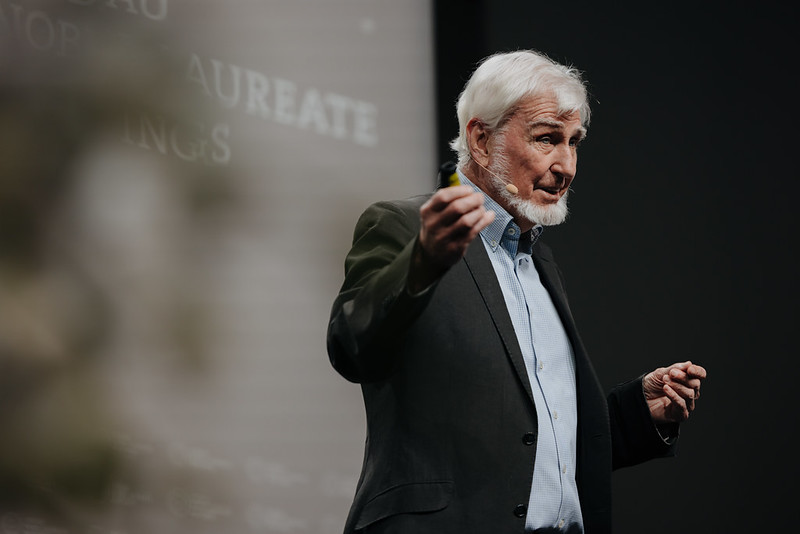 Interview with Professor John O’Keefe about the future of artificial intelligence in science and society. John O'Keefe, professor of cognitive neuroscience at University College in London (UK), was awarded the Nobel Prize in Physiology or Medicine in 2014. He won the prize together with May-Britt Moser...
 -
Nobel laureate Emmanuelle Charpentier: 'Freedom of research and good infrastructure are important for scientists'
 This is what Nobel Prize winner Prof. Dr Emmanuelle Charpentier said talking about academic freedom at the prestigious Nobel Laureate Meeting in Lindau, in a conversation with seven journalists from four continents. The French scientist, together with Jennifer Doudna rewarded in 2020 for the development...
 -
Prof. Morten Meldal: 'Science should be done without constraint'
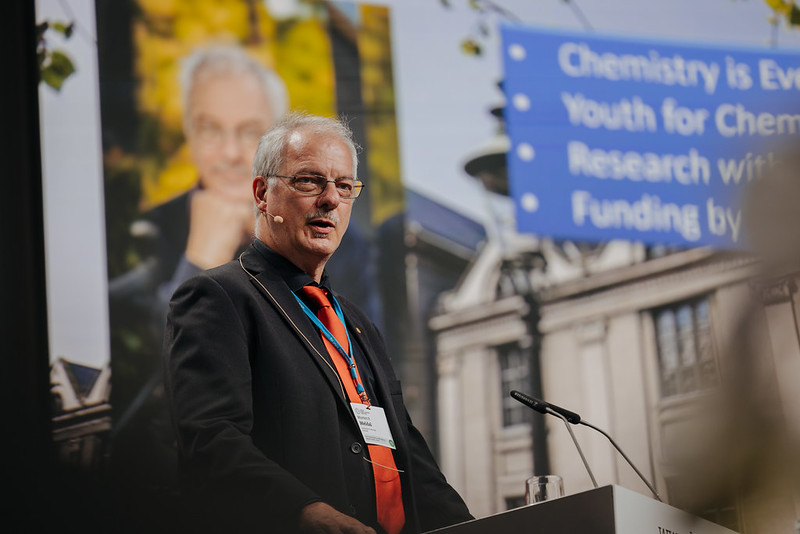 Interview with Professor Morten Meldal on academic freedom and his idea about creating artificial intelligence especially for research. In 2022, Prof. Morten Meldal was awarded the Nobel Prize in Chemistry "for the development of click chemistry and bioorthogonal chemistry". Click chemistry means that...
 -
Prof. Mike S. Schäfer on ChatGPT and other generative AI tools: ‘A gamechanger for science communication’
 Mike S. Schäfer, Professor of Science Communication at the University of Zürich (Switzerland), has been investigating communication and artificial intelligence (AI) for several years. He is currently focussing on how the development of the technology and its impact on society are envisioned in public...
 -
Humanities in the digital age: Securing innovation and empowering democracy
 What do video games and social sciences have in common? What about art and computational analysis? At first glance, not much. But crossing digital technologies with the study of humanities has become a field of research. At its latest event, the European Parliament’s Panel for the Future of Science...