
interview
-
A scientist’s opinion: Interview with Dr. Dana Kühnel about microplastic pollution
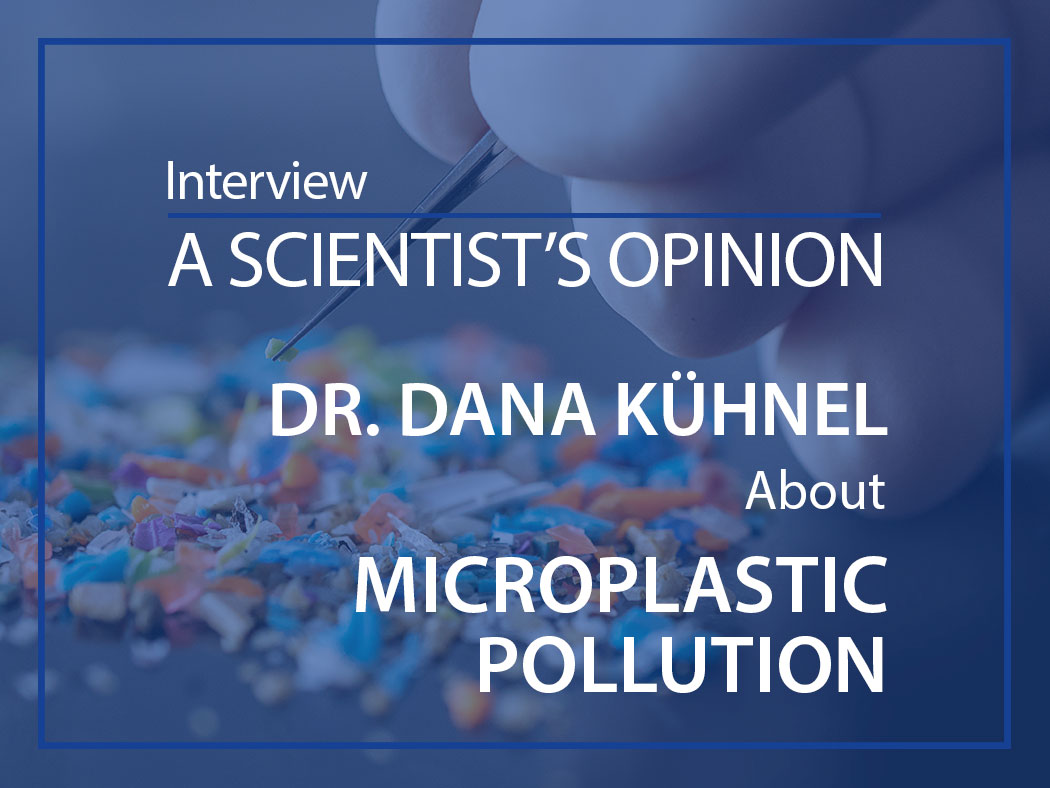 What are microplastics, where do they come from, and why are they a problem? Why are they so difficult to remove from the environment? Dana Kühnel: Microplastics are either intentionally produced or formed by degradation and fragmentation of larger plastic items (primary and secondary microplastics)....
-
A scientist’s opinion: Interview with Dr. Francisca Vargas Lopes about the mental health of young people
 A woman sitting on the floor in front of a couchWHO data show that young people aged 18-29 are 30% to 80% more likely to report symptoms of depression or anxiety than adults. What are the primary reasons for this, and how have these trends evolved? Francisca Vargas Lopes: I think this is a very interesting...
-
A scientist’s opinion: Interview with Hannes Jarke about the mental health of young people
 WHO data show that young people aged 18-29 are 30% to 80% more likely to report symptoms of depression or anxiety than adults. What are the primary reasons for this, and how have these trends evolved? Hannes Jarke: This is a highly complex issue. The answer depends on which country and what other determinants...
-
Prof. Francesco Forastiere: Understanding industrial air pollution and its health impacts in the EU
 Professor Francesco Forastiere, a renowned Italian environmental epidemiologist. He recently co-authored a newly published study on industrial air pollution in the EU. He is also a temporary adviser to the World Health Organization. The study was commissioned by the European Parliament’s Panel for the...
-
Yves Dejaeghere on participation and citizens' assemblies: 'Young people, minorities and people with a lower socio-economic status are very often left out'
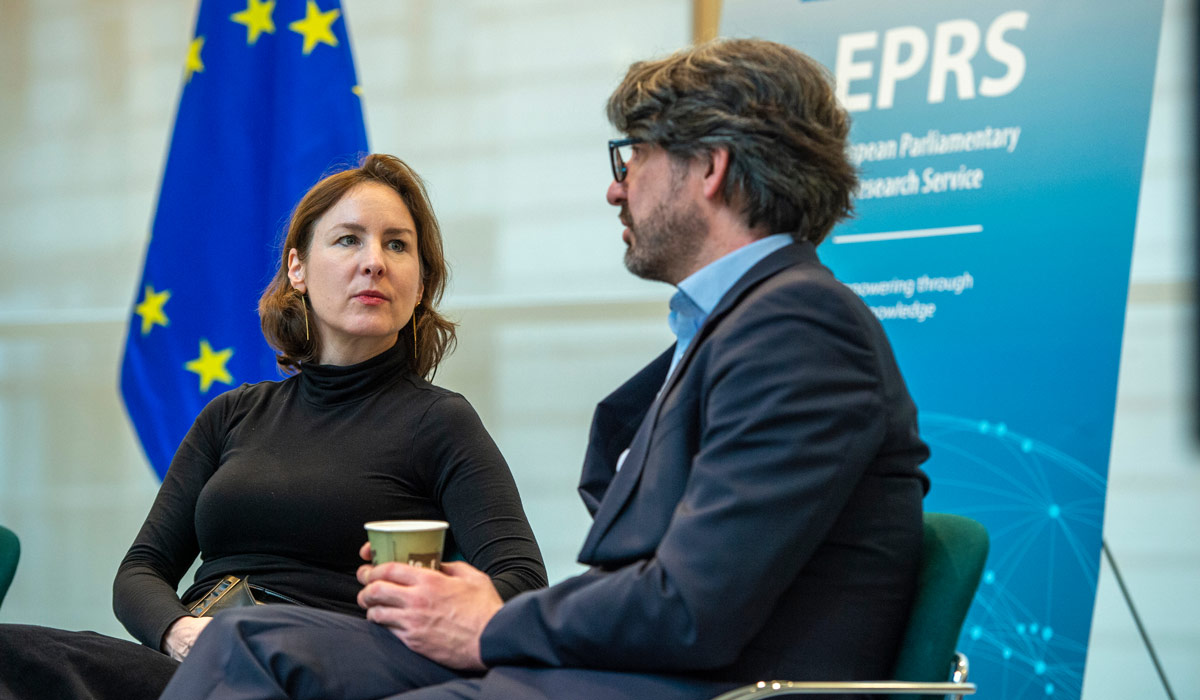 Yves Dejaeghere is the executive director of the Federation for Innovation in Democracy – Europe. He participated in this year’s Annual lecture hosted by Parliament’s Panel for the Future of Science and Technology (STOA) on 24 January 2024, discussing how democracy can work for everyone. He talks to...
-
Revolutionising food production: 'Similar to making wine'
 Peter Rowe is part of the REACT-FIRST consortium and CEO of Deep Branch, a British carbon recycling biotechnology company. They have pioneered a process that uses microbes to convert carbon dioxide from industrial emissions and turns them into high-value proteins. This way, they aim to secure the global...
-
Producing milk with CO2 and electricity
 Milk without cows: the European Hydrocow project, funded by the European Innovation Council, aims to produce milk with carbon dioxide (CO2) and electricity, removing the cow from the process. They are working on engineering a microbe that converts CO2 and hydrogen, produced from water using electricity,...
-
How to get more active - interview with Dr. Hidde van der Ploeg
 Dr. Hidde van der Ploeg is professor of physical activity and public health at the Department of Public and Occupational Health of Amsterdam UMC (The Netherlands). According to OECD data, almost half (45%) of Europeans report that they never exercise or play sports. Could you please explain the primary...