
bacteria
-
‘The lifespan of cells is one of the holy grails of engineered living materials’
What are the possibilities and limitations of engineered living materials? Interview with biomedicine and smart materials expert Prof. Dr Andrés Díaz Lantada (Technical University of Madrid, Spain). He has served as principal investigator in several European projects, including TOMAX, UBORA, INKplant,... -
‘Engineered living materials are adaptive, resilient and self-healing’
What are the most promising applications of living materials? Interview with scientific director at the Leibniz Institute for New Materials and professor at Saarland University in Germany, Prof. Dr Wilfried Weber. He is also involved in the European projects STEADY (funded by the European Research Council)... -
Living materials that can heal themselves - and maybe the planet too
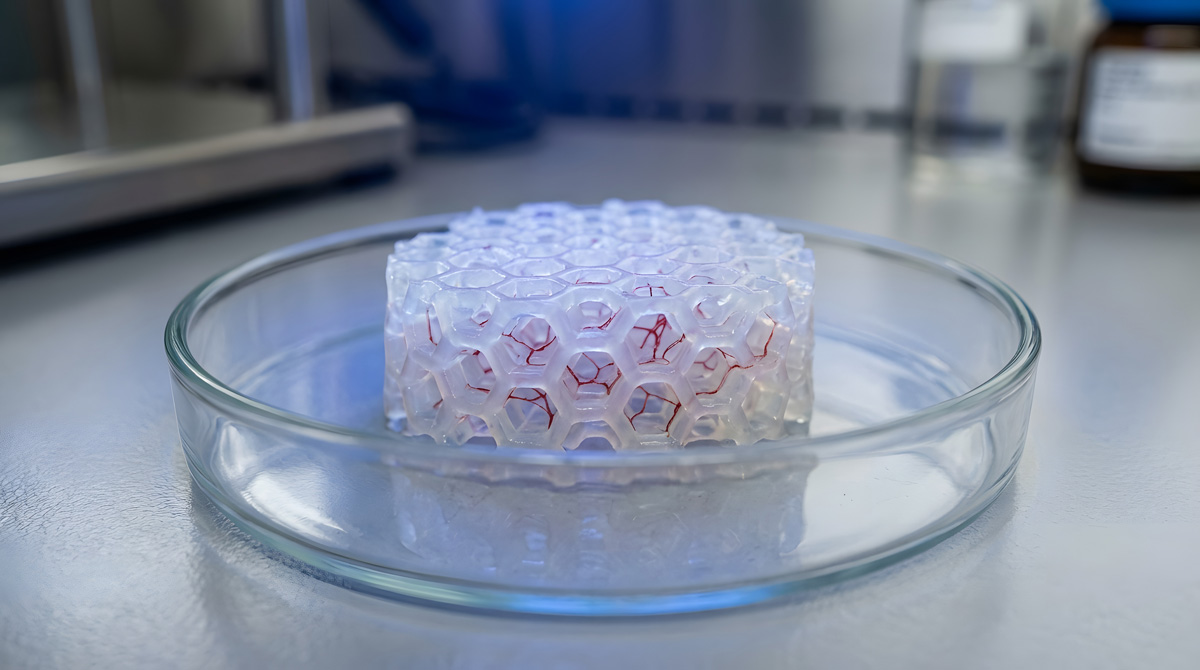 Materials that can grow, adapt, sense, and repair themselves, much like living tissue: however futuristic this might sound, ‘living materials’ are already a reality, and the EU is positioning itself at the forefront of this rapidly evolving field. ‘Engineered living materials’ (ELMs) are composed, either...
 -
Interview with Prof. Francesco Imperi on new strategies to fight antimicrobial resistance
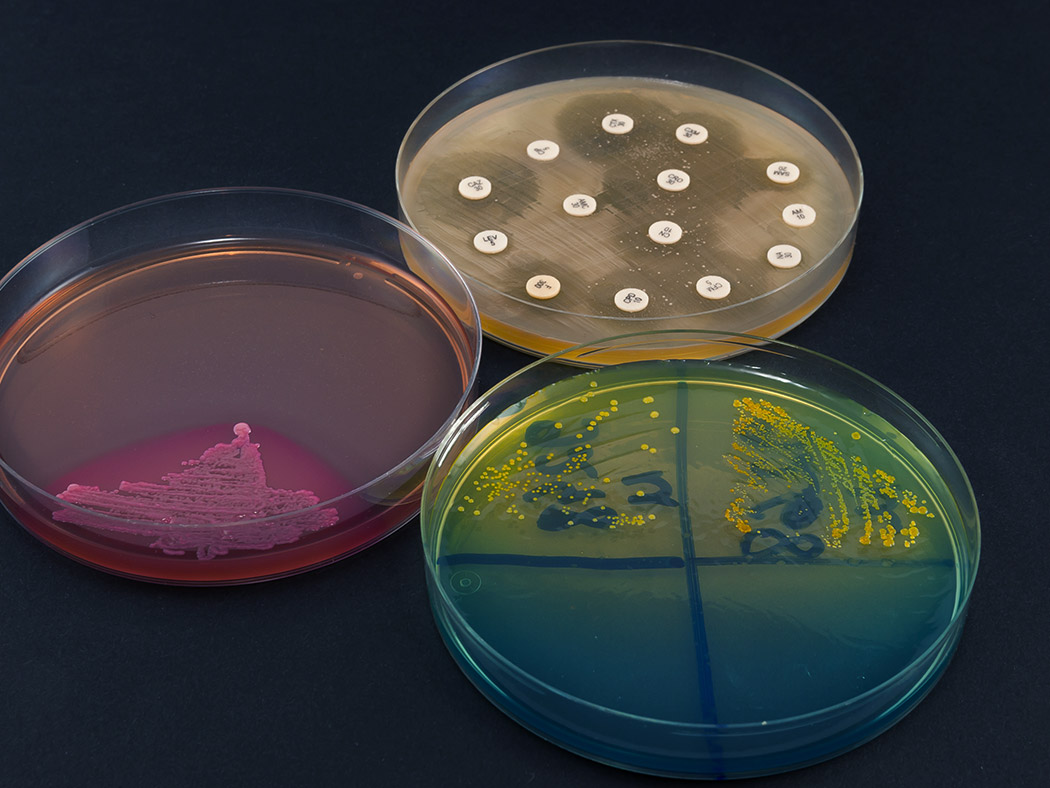 When bacteria, viruses, fungi and parasites no longer respond to medicines: this is set to become one of the major health threats of the 21st century. Francesco Imperi, Associate Professor of Microbiology at Roma Tre University (Italy), is working on novel strategies to tackle this antimicrobial resistance...
 -
Microbiomes: the unseen majority of tiny little things
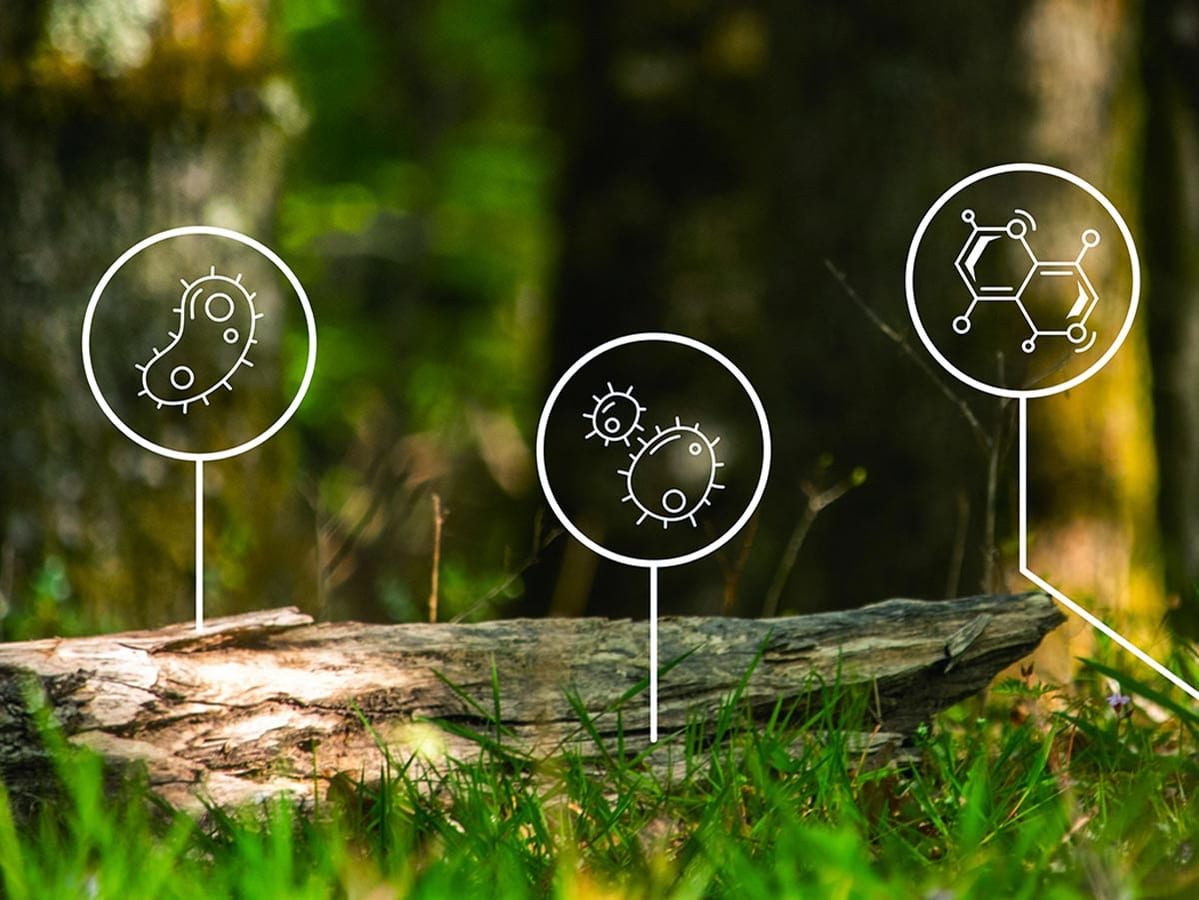
How do diverse microbial communities in seas and soils affect the climate? Scientists plead for an increase in microbiome research as part of global climate change investigations.
-
The Microbiome gut brain axis and the rise of psychobiotics
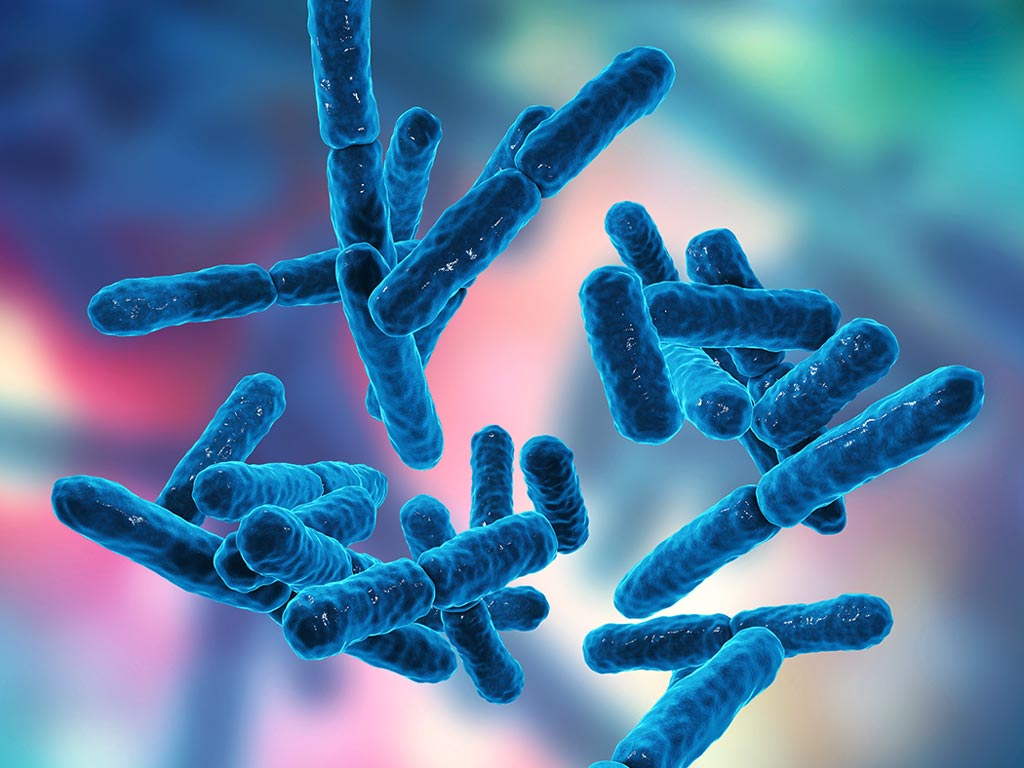
Communication between our gut and our brain is a two-way street. A large part of the signals being sent from our intestines to our brain is thanks to the bacteria living inside us, our microbiome. Our gut microbes have been linked to anxiety and depression. Research is ongoing to see if we can manipulate...
-
A scientist’s opinion : Interview with Dr. Ruairi Robertson about microbiome
 Microbiome & psychobiotics, a scientist’s opinion Interview with Dr. Ruairi Robertson, Wellcome Trust Fellow at Queen Mary University of London. How might bacteria be affecting our mental health? What are the possible communication routes? Ruairi Robertson: There are a number routes through which...