algorithms
-
An expert's opinion: Interview with Samuel Greiff on new challenges in media and information literacy
In the run-up to the Global Media and Information Literacy Week, taking place from 24 to 31 October 2026, we speak with Prof. Dr Samuel Greiff, Professor of Educational Monitoring & Effectiveness at the Technical University of Munich. He leads the Centre for International Student Assessment and oversees... -
An expert's opinion: Interview with Theresa Seipp on new challenges in media and information literacy
Ahead of the Global Media and Information Literacy Week, running from24 to 31 October 2026, we speak with Dr Theresa Josephine Seipp, Postdoctoral Researcher at the AI, Media & Democracy Lab and the Institute for Information Law at the University of Amsterdam. How has generative AI changed the way we... -
Fighting disinformation in the age of AI: Why Europe needs stronger media and AI literacy
This coming week, 24 to 31 October, is Global Media and Information Literacy Week. It raises awareness about achieving media and information literacy for everyone. AI-powered digital platforms and tools have transformed how we access and generate information, opening new possibilities for communication,... -
An expert's opinion: Interview with Mario Scharfbillig on disinformation and democracy
Mario Scharfbillig works at the Joint Research Centre (JRC) of the European Commission and co-authored the report Fractured Reality – how democracy can win the global struggle over the information space, published by the JRC. He notes: “My answers are based on the report and do not necessarily reflect... -
An expert's opinion: Interview with Prof. Stephan Lewandowsky on disinformation and democracy
Professor Stephan Lewandowsky is a cognitive scientist at the University of Bristol (UK). His research explores people's responses to mis- or disinformation and propaganda, why people reject well-established scientific facts, such as climate change or the effectiveness of vaccinations, and the potential... -
Mending a ‘fractured reality’: How can the EU reclaim its information space?
In a world where technology development sets the pace of change, even our perception of reality undergoes a rapid transformation. Disinformation is a case point: the way this false or misleading content is created, spreads and looks like, has been changing quickly. Understanding this evolving dynamics... -
Interview with Prof Dietram A. Scheufele on the challenges of science communication today
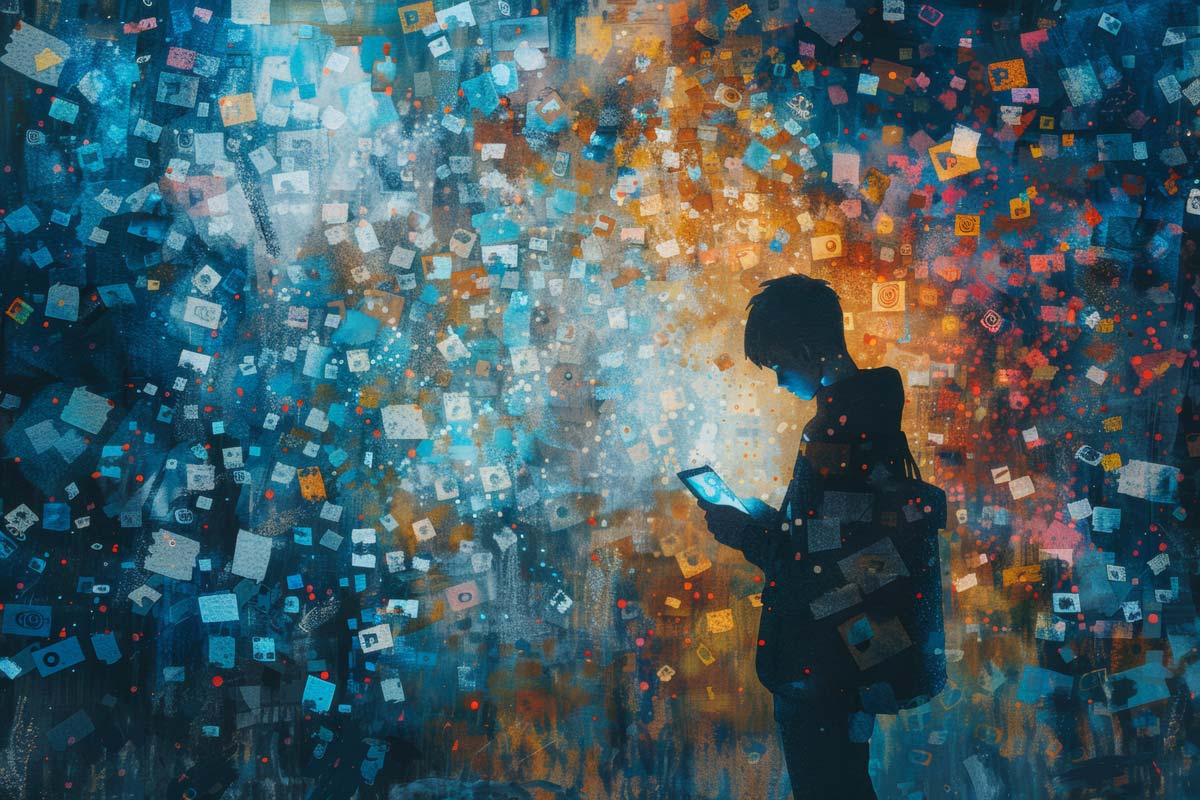 More evidence does not move a skeptical public; often, it makes them sit tighter. Prof Dietram A. Scheufele, an expert in science communication at the University of Wisconsin–Madison, explains why science communication often fails on polarized topics and how AI may worsen the problem. Science communication...
-
A scientist's opinion: interview with Dr Mariya Stoilova on recent social media bans for children
 Dr Mariya Stoilova is a Postdoctoral Researcher in the Department of Media and Communications at the London School of Economics and Political Science (LSE) and Manager of the Digital Futures for Children centre (DFC) investigating children’s rights in the digital environment. She recommends amongst others...