citizen
-
Yves Dejaeghere on participation and citizens' assemblies: 'Young people, minorities and people with a lower socio-economic status are very often left out'
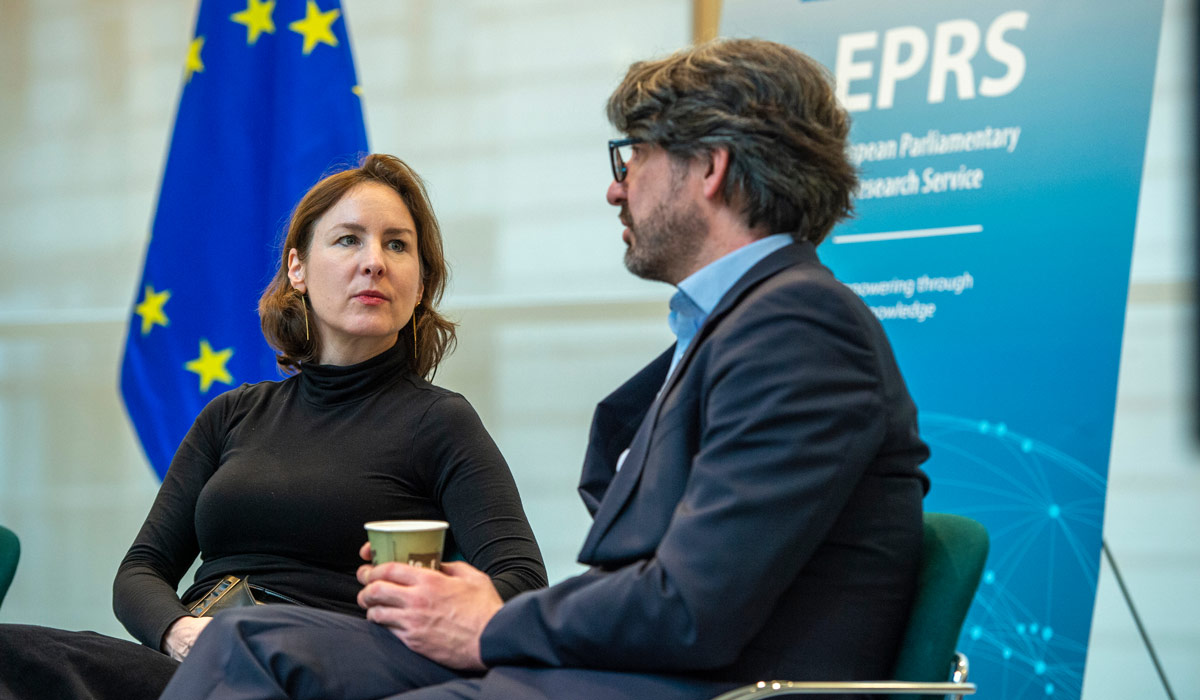 Yves Dejaeghere is the executive director of the Federation for Innovation in Democracy – Europe. He participated in this year’s Annual lecture hosted by Parliament’s Panel for the Future of Science and Technology (STOA) on 24 January 2024, discussing how democracy can work for everyone. He talks to...
 -
Michael Hameleers : "The most effective way to combat mis- or disinformation seems to be a combination of media literacy programmes and fact-checking"
 Michael Hameleers (PhD, University of Amsterdam) is Assistant Professor in Political Communication at the Amsterdam School of Communication Research (ASCoR), Amsterdam, Netherlands. His research interests include populism, framing, (affective) polarization, and disinformation. Recently, most of his research...
 -
EU project : NEWSERA
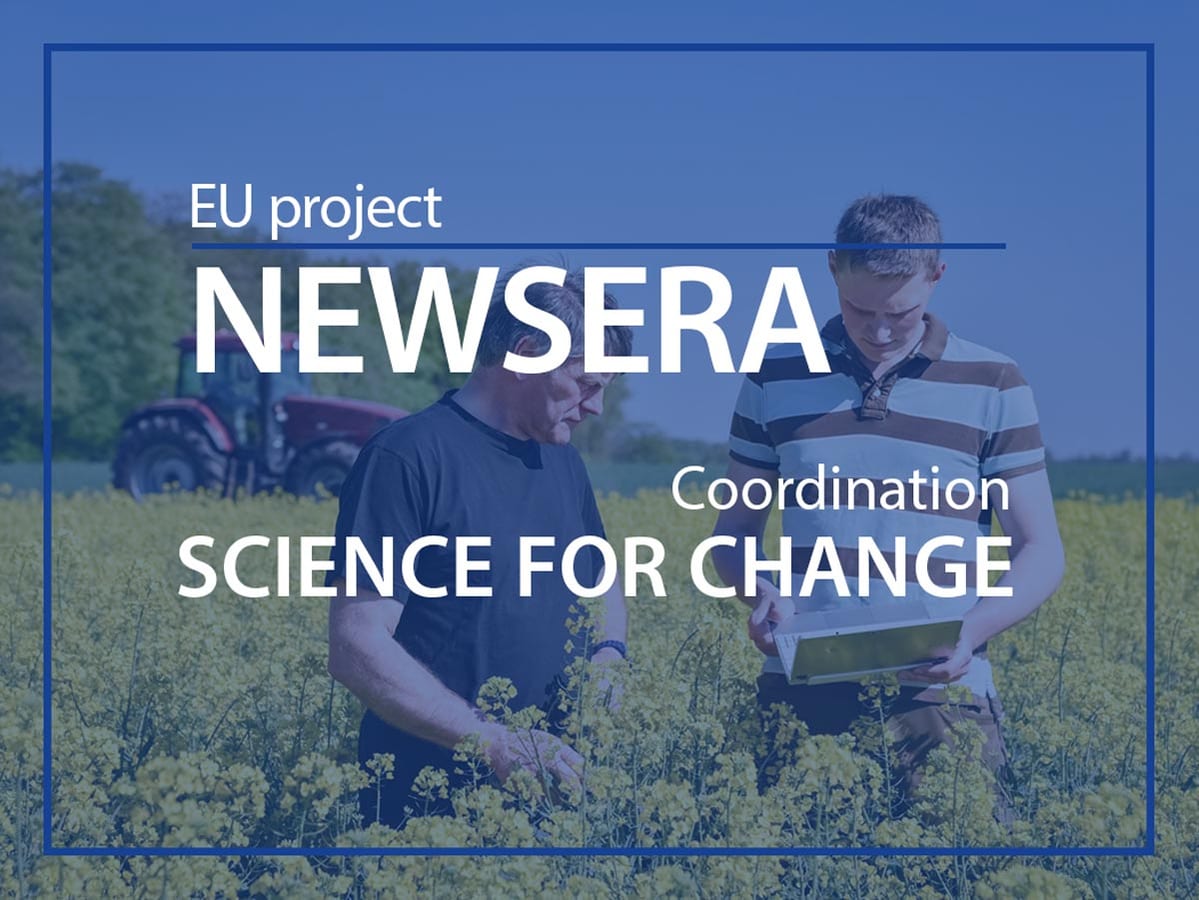 NEWSERA: Citizen science (CS) initiatives are changing the paradigm of science communication (SC). Not only the embedded bottom-up methodology takes into account people’s needs, aligning science to society, but empowers citizens to become science communicators. Moreover, launching a citizen science project...
 -
A scientist's opinion : Interview with Rosa Arias about citizen science
 Interview with Rosa Arias, CEO of Science for Change, coordinator for the NEWSERA project, which aims to use citizen science to improve science communication. How is citizen science developing as a field? Rosa Arias: I hope it will become bigger and bigger. It's receiving quite a lot of support...
 -
A scientist's opinion : Interview with Dr Cristina Luís about citizen science
 Interview with Dr Cristina Luís, professor in science communication at University of Lisbon. She is part of the NEWSERA project, which aims to use citizen science to improve science communication. Why are you focussing on citizen science projects for NEWSERA? Cristina Luís: We will be dealing with...
 -
Citizen science meets science communication

An ambitious new project aims to develop new ways of communicating about science through the growing army of people volunteering their time to take part in research.
-
EU Project : CONCISE
 CONCISE aims to generate a European-wide debate on science communication, involving a wide array of stakeholders, from media outlets to policy makers, from scientists to business companies, from science communicators to civil society organisations. CONCISE aims at providing qualitative knowledge through...
 -
CONCISE Project : a European-wide debate on science communication

How do citizens keep themselves informed about the most controversial scientific issues? Which sources of information do they choose? A two-year project aims to answer these questions in order to obtain valuable information on communication to the public, to be taken into account for the near future.