
science
-
Transparent and accessible global data critical for European researchers: Interview with Professor Thomas Hartung
 The landscape of scientific research is shaped by global digital infrastructures, with critical databases in health, medicine, climate, and the social sciences. The dominance of foreign and commercial databases poses strategic vulnerabilities for academic freedom, innovation, and research continuity...
 -
Keeping an eye out: interview with Dr Alice Fleerackers on ‘watchdog science journalism’
 Science journalists can sometimes take on the role of watchdogs, exposing issues in and with science itself. To shed light on the importance of this and the challenges this type of journalism is facing, we spoke with Dr Alice Fleerackers. Dr Fleerackers is Assistant Professor of Journalism and Civic...
 -
ESMH Summer School – 'Science Communication in the Digital Age'
 Science journalism is undergoing a profound transformation in the digital era. While new technologies offer exciting possibilities to reach wider audiences, they also come with drawbacks- from spreading disinformation and polarising the public opinion, to eroding trust in science. These challenges have...
 -
Mirko Bischofberger: ‘AI offers a promise of a better way of communicating’
 Dr. Mirko Bischofberger is an expert in science communication. He is a lecturer at the Swiss Federal Technology Institute of Zurich and Lausanne (ETH and EPFL), as well as the universities of Zürich and Basel. Mirko studied molecular biology, specialised in computational biology and worked for the Neue...
 -
Elisabetta Tola: ‘We need spaces to learn, share, and reflect together’
 Elisabetta Tola is a science, data, and investigative journalist. She is the co-founder and editor-in-chief of Facta.eu, an Italian independent media outlet that applies the scientific method to journalism and promotes science journalism as a cornerstone of democratic participation. Elisabetta is also...
 -
Science communication in the digital age: How to navigate the risks and rewards?
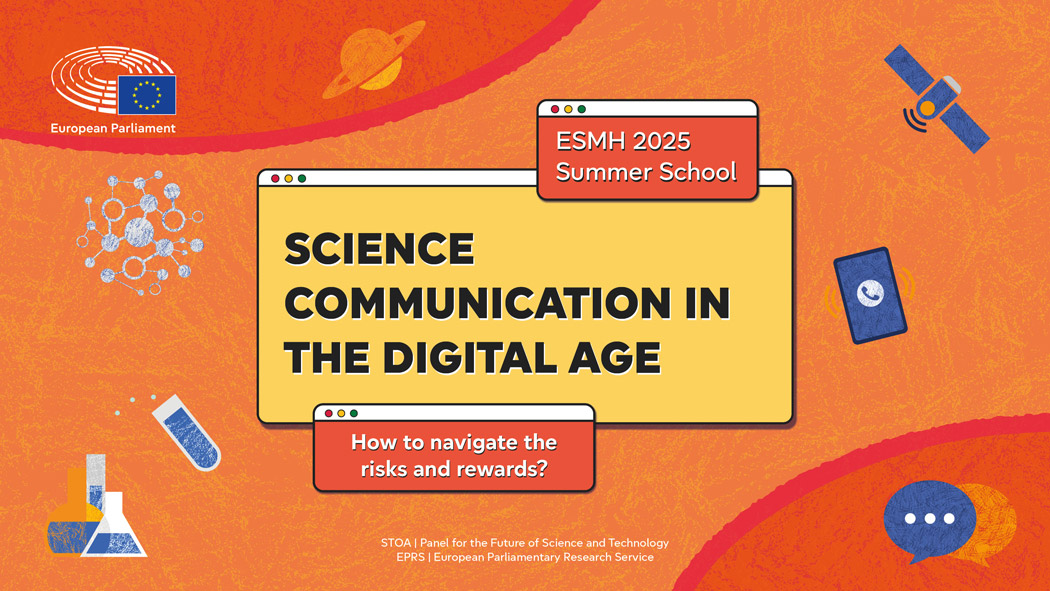 The digital revolution and dawn of generative AI are fundamentally reshaping the conditions for science communication and journalism, giving rise to new threats but also new opportunities to improve the reach and accessibility of scientific knowledge. These themes are the focus of the European Science-Media...
 -
Science communication beyond the headlines: interview with science journalist Kai Kupferschmidt
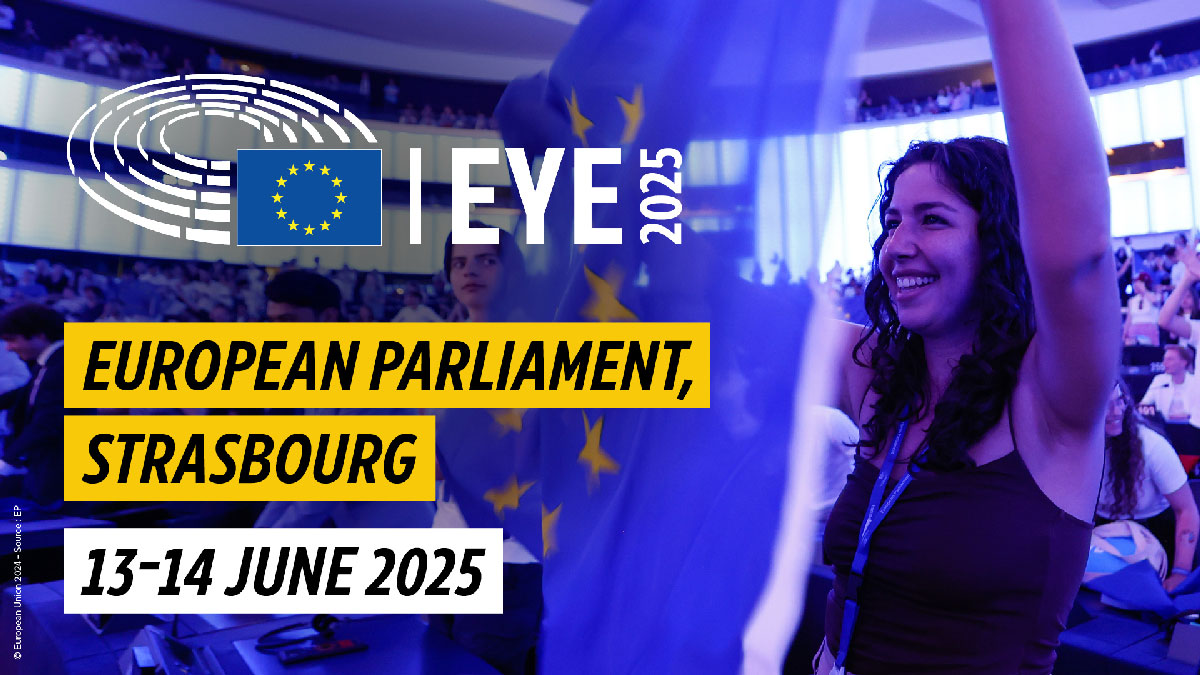 This year, on 13 June, the European Science-Media Hub hosted a science communication workshop at the European Youth Event in Strasbourg. We talked to its main speaker: 'Science' magazine journalist Kai Kupferschmidt ahead of the event. He mentions the challenges science journalism is facing and the large...
 -
Building European leadership for the second quantum revolution
 Quantum computing is at the cutting edge of technological innovation, promising transformative capabilities that could revolutionise fields from cryptography to materials science and artificial intelligence. How can Europe build on its foundational work and secure leadership in the second quantum revolution,...