
stoa
-
Technologies at the heart of STOA's work on Green Deal
 The EU Green Deal has been a priority for the European Parliament's Panel for the Future of Science and Technology (STOA) in the 2019-2024 legislative term, with the scientists, other experts and MEPs exploring how technology can help reduce Europe’s carbon footprint. Creating a climate-neutral EU...
 -
Ensuring the supply of critical raw materials in the EU
 From everyday items to cutting-edge technology, critical raw materials (CRM) are an essential part of the EU economy. Yet supply chains are at constant risk of disruption. One reason, is that extracting and processing CRMs often do not take place in the same place. Extraction in one region does not...
 -
Neurorights: how to protect mental privacy in the area of neuroscience?
 Neurotechnologies are tools for recording and interpreting brain activity. They aim at rehabilitating, restoring or even modifying brain functions. Neuro-enhancement is the field of improving brain capacity. These methods raise ethical issues. So, does the sector need EU regulation? A new concept...
 -
Interview with Prof. Aïda Solé-Auró on factors that determine healthy ageing
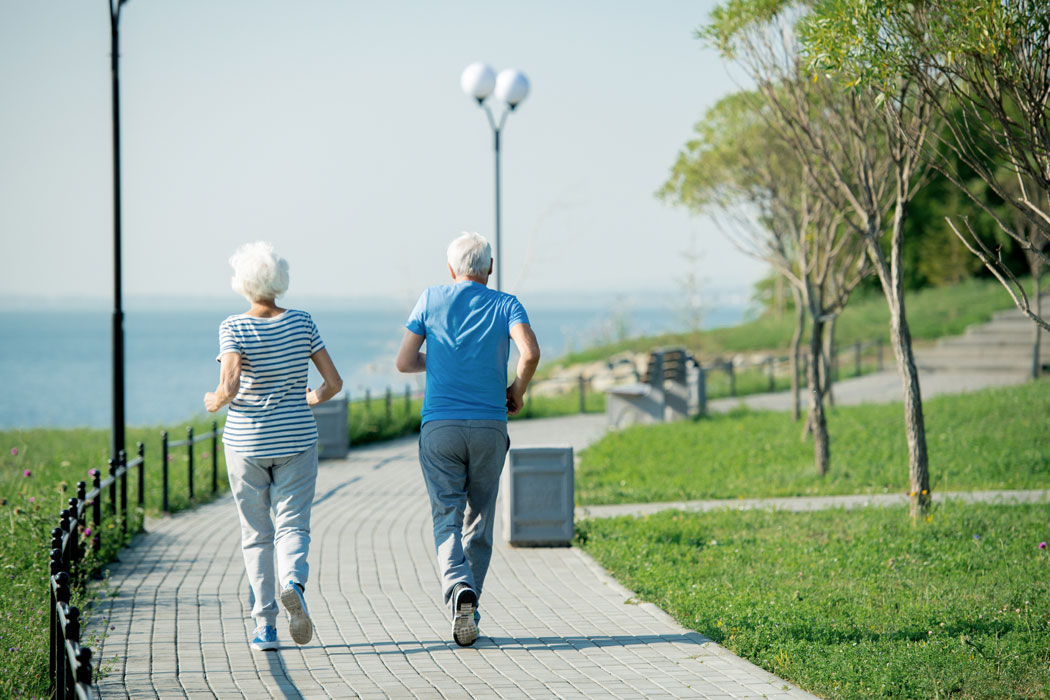 Currently, in response to last year’s Council invitation, the Commission is developing a set of key policy tools to assist Member States in navigating the impacts of an ageing population on Europe’s competitiveness and its society. These plans took the stage in a recent plenary debate in the European...
 -
Tackling the environmental impact of the textile sector
 After food, housing and transport, textiles come in fourth place for environmental impact at EU level. Yet textiles are also essential to our daily lives, from clothing and furniture to protective equipment and even buildings and vehicles. How can we reduce this impact and make the textile industry...
 -
Prof. Sylvia Kritzinger: 'Europe needs to very seriously take our young citizens into consideration and engage them in politics'
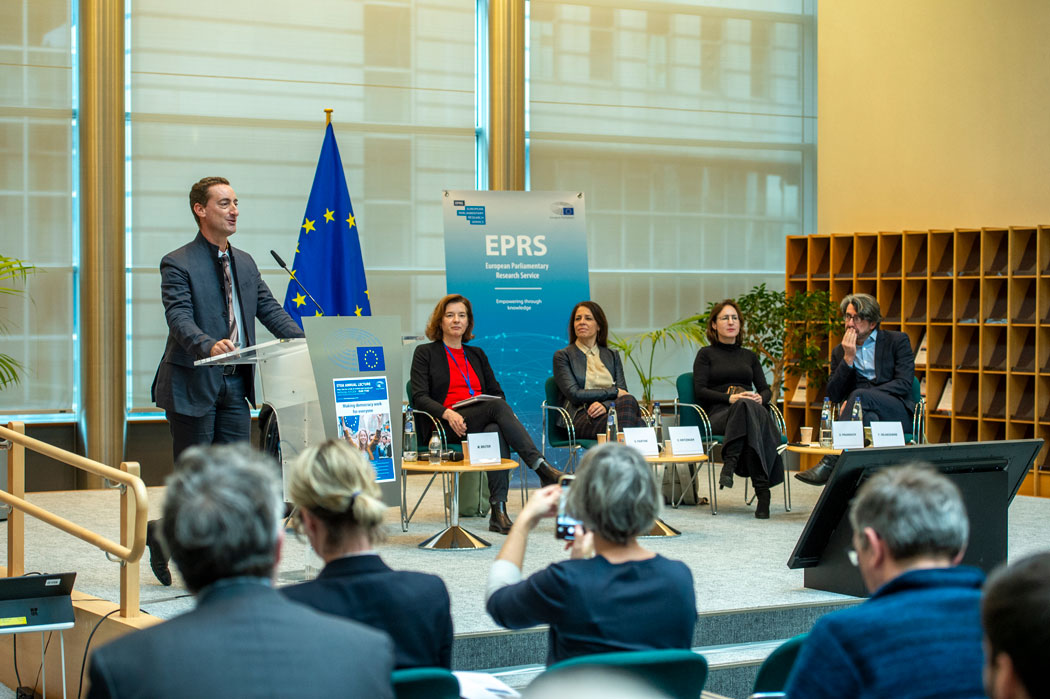 Sylvia Kritzinger is Professor for Methods in the Social Sciences at the University of Vienna (Austria). Her research focuses on citizens’ political attitudes and voting behaviour, democratic representation, and political participation, voting at 16. She participated in this year’s Annual Lecture hosted...
 -
Making democracy work for everyone
 This year many elections are set to be held, but generational gaps, social and economic disparities can lead to inequality in the democratic process. How can we make democracy work for everyone? This was the question that was explored at the Panel for the Future of Science and Technology’s (STOA) Annual...
 -
Janina Seubert: 'Studying emotions helps to better understand our food habits'
 How might neuroscience help to change producers’ practices and consumers’ choices for more sustainable food? Janina Seubert is an expert in affective neuroscience and human chemosensation at the Karolinska Institute in Stockholm and a recipient of a European Research Council (ERC) grant. She was one...