misinformation
-
A scientist’s opinion: Interview with Professor Jane Suiter & Eileen Culloty about the EU Project Provenance
 Eileen Culloty is a post-doctoral researcher at the DCU Institute for Future Media, Democracy and Society, where she leads research on countering disinformation as part of the Provenance project. She sits on the management board of JOLT, where she investigates how to harness digital and data technology...
 -
A scientist’s opinion: Interview with Professor Owen Conlan about the EU Project Provenance
 Professor Owen Conlan is a researcher and educator at Trinity College Dublin. He guides the technical development of the Provenance Horizon 2020 project and he also leads the Digitally Enhanced Engagement strand at the large-scale ADAPT research centre (www.adaptcentre.ie), which focuses on research...
 -
A scientist’s opinion: Interview with Professor Oscar Espiritusanto about the EU Project Provenance
 Oscar Espiritusanto is a professor at the University Carlos III of Madrid at the Department of Journalism and Audiovisual Communication, and he teaches classes to master’s students on citizen journalism, participation, user-generated content, verification and human rights. As a researcher at Fundación...
 -
Provenance: ‘Stop and think’ before sharing online content
Challenging dis- information in the news requires a multi faceted, multi disciplinary and multi media approach. The EU funded project ‘Provenance’ focuses on helping people evaluate online content, equipping them with media literacy skills and discouraging the sharing of unreliable information. Could...
-
Walter Quattrociocchi on the Infodemic and how disinformation spreads on different social media
 Associate Professor Walter Quattrociocchi of the Sapienza University of Rome recently published a study called ‘The COVID-19 social media infodemic’. By analysing massive amounts of data on Twitter, Instagram, YouTube, Reddit and Gab, Quattrociocchi and his team assessed the global evolution of discourse...
 -
Joana Gonçalves de Sá: “Mitigate the misinformation pandemic by ‘vaccinating’ the susceptible individuals first.”
 Joana Gonçalves de Sá is an Invited Associate Professor at the Physics Department of Instituto Superior Técnico, Universidade de Lisboa, and was the recipient of an ERC Starting Grant to study human behaviour using the online spread of ’fake news’ as a model system. Disinformation and misinformation...
 -
ESMH Press Review – December 10, 2020
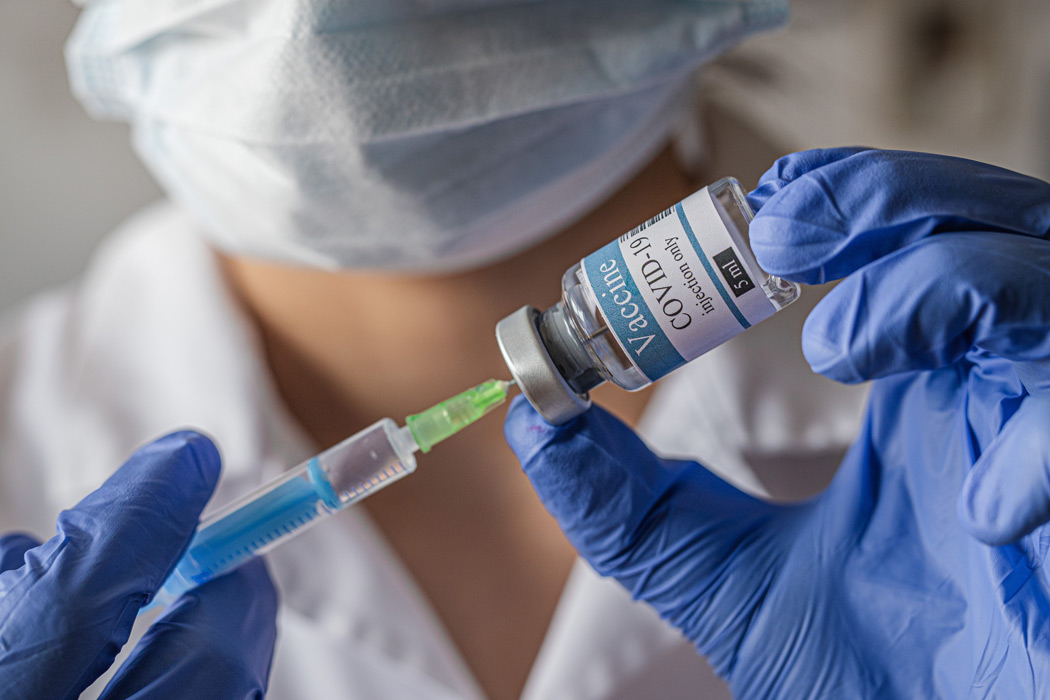
COVID-19 misinformation, climate crisis & internet of things. Check out the ESMH selection of 20 science and tech news published in the last weeks on the web.
-
Coronavirus: Journalists, researchers and policy-makers discuss tackling misinformation at ESMH event
 Everyone is looking for news during the Covid-19 crisis and traditional media play an important role in providing people with reliable health information during the pandemic and helping them to navigate through the effects of the virus. However, misinformation and false information have also increased...