-
Microplastic pollution: an ever growing problem, yet knowledge gaps on impacts to human health remain
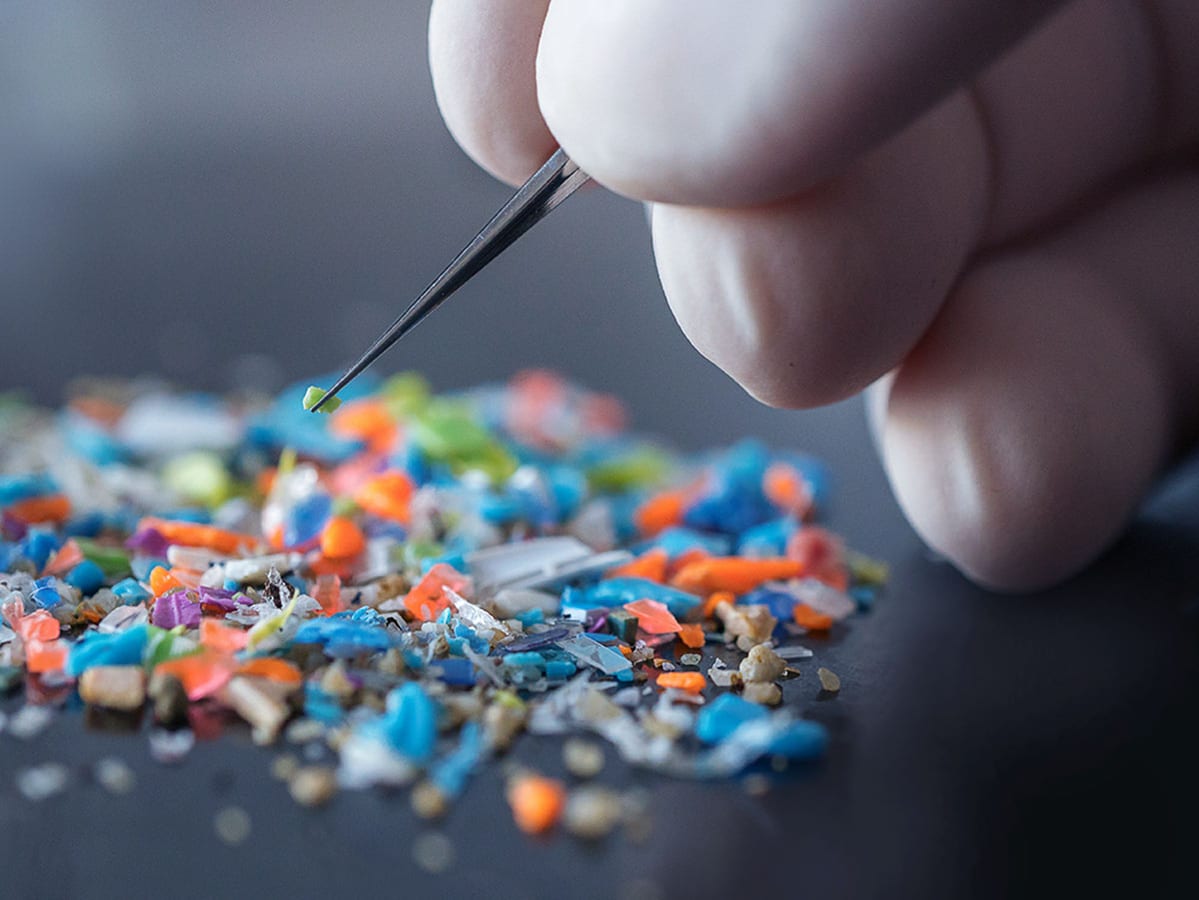 Plastic is everywhere. Adaptable, cheap and resilient, the material is ubiquitous in the modern world – and so is plastic pollution, contaminating the air we breathe, the water we drink and the soil we grow our food in. Microplastic pollution is especially a problem that just keeps on getting bigger,...
 -
Protecting the mental well-being of European youth: What can be done?
 In Europe, the number of young people (aged 18-29) with mental health problems has at least doubled since the beginning of COVID-19. Suicide is one of the leading causes of death among adolescents aged 15–19 in our continent. In addition, almost two-thirds of young people are at risk of depression. Mental...
 -
STOA's key work on artificial intelligence in the European Parliament’s legislative term 2019-2024
 The European Parliament’s Panel for the Future of Science and Technology (STOA) took an early interest in a technology that is increasingly shaping our world: Artificial Intelligence. Its experts, scientists and MEPs recognised the potential of AI for sectors like education, medicine and computing,...
 -
Prof. Francesco Forastiere: Understanding industrial air pollution and its health impacts in the EU
 Professor Francesco Forastiere, a renowned Italian environmental epidemiologist. He recently co-authored a newly published study on industrial air pollution in the EU. He is also a temporary adviser to the World Health Organization. The study was commissioned by the European Parliament’s Panel for the...
 -
Ensuring the supply of critical raw materials in the EU
 From everyday items to cutting-edge technology, critical raw materials (CRM) are an essential part of the EU economy. Yet supply chains are at constant risk of disruption. One reason, is that extracting and processing CRMs often do not take place in the same place. Extraction in one region does not...
 -
Yves Dejaeghere on participation and citizens' assemblies: 'Young people, minorities and people with a lower socio-economic status are very often left out'
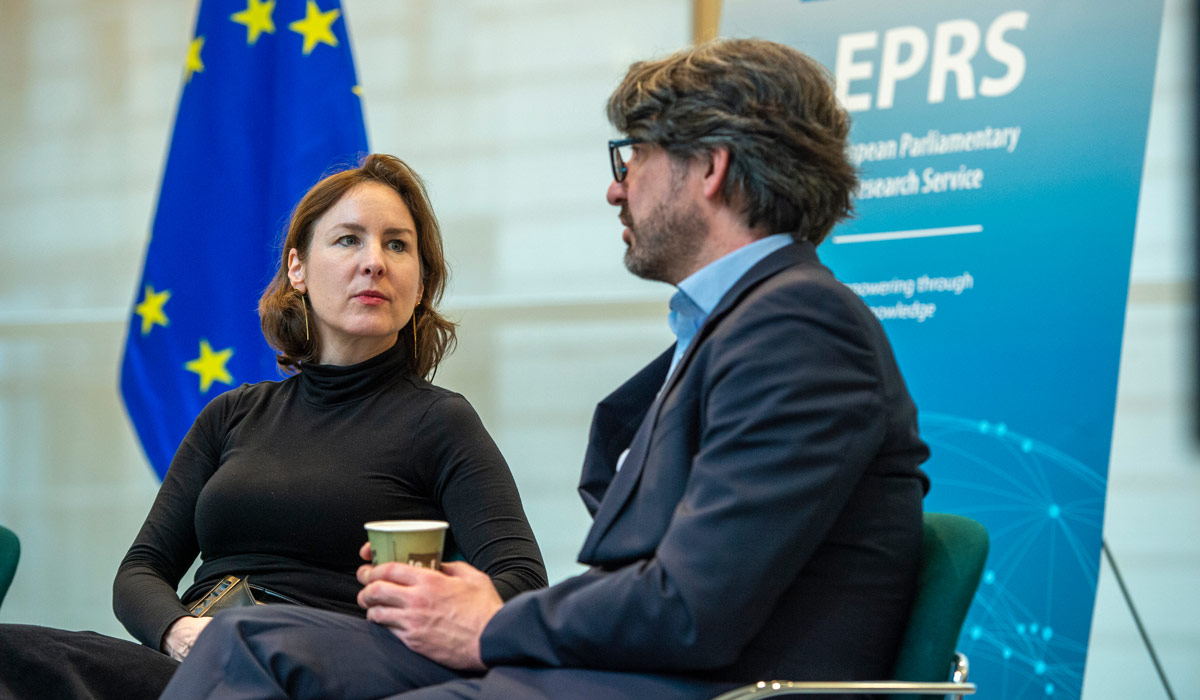 Yves Dejaeghere is the executive director of the Federation for Innovation in Democracy – Europe. He participated in this year’s Annual lecture hosted by Parliament’s Panel for the Future of Science and Technology (STOA) on 24 January 2024, discussing how democracy can work for everyone. He talks to...
 -
Food made from air - sustainable protein production imitates nature
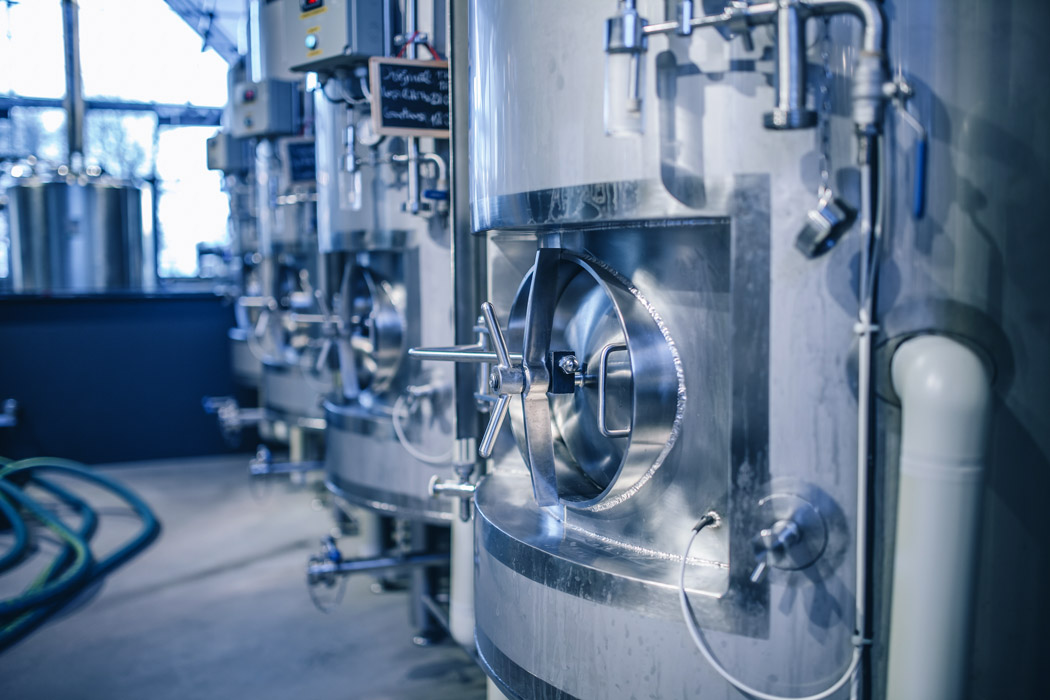
Feeding an expanding global population has a high cost, particularly for the planet. However, new food production methods aim to relieve this pressure by fixating atmospheric CO2 into climate-friendly food and feed products.
-
Neurorights: how to protect mental privacy in the area of neuroscience?
 Neurotechnologies are tools for recording and interpreting brain activity. They aim at rehabilitating, restoring or even modifying brain functions. Neuro-enhancement is the field of improving brain capacity. These methods raise ethical issues. So, does the sector need EU regulation? A new concept...
European Science-Media Hub
Bringing scientists, journalists and policymakers together: communicate better sound science to all