
Maria Bolevich
 Maria Bolevich graduated from Medical High School and Faculty of Metallurgy and Technology, Department of Environmental protection. She is an environmental protection engineer, and she wrote her first scientific article as a student in 2009 which triggered her passion for science journalism. As a science, health, and environmental journalist she has been collaborating with many international media, including Nature, SciDev... She is a recipient of a number of noteworthy awards in her field of expertise. She was born in Montenegro and is based in Croatia.
-
Shaping the future of open science in Europe: ‘Generative AI is transforming scientific exchange’
 “Open science represents modern knowledge creation, but also supports evidence-based decision-making,” explains Prof. Dr. Julia Priess-Buchheit, professor at Kiel University with expertise in higher education, research integrity and open science. Open science also affects scientific exchange, that is,...
 -
Plants driving the future of sustainable technology
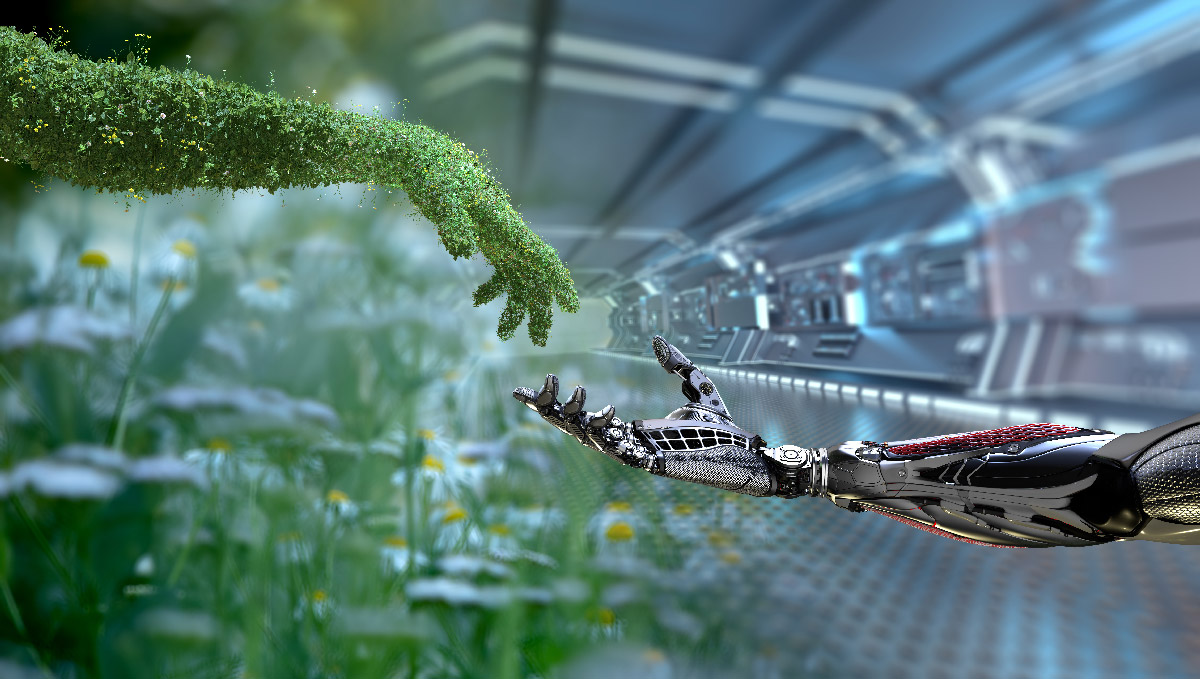 Scientists across Europe seek inspiration from flora to develop robots and materials. Europe is home to more than 20,000 plant species. Shaped by millions of years of evolution to withstand extreme conditions such as, droughts, floods, and harsh winters, plants convert sunlight into oxygen through...
 -
A scientist's opinion: interview with Dr Isabella Fiorello on plant-inspired materials and robots
 You might not expect plants to be able to jump. But wild oats possess almost magical ability: their seeds, though dead and without muscles, use the energy of moisture to bury themselves in the soil, searching for the spot to start a new life. Dr. Isabella Fiorello leads a research group in the Cluster...
 -
A scientist's opinion: interview with Dr Mònica Mir Llorente on robotic plant roots
 In humans and animals, the brain sends signals to indicate hunger, animals go hunting, while humans go to the refrigerator. But in plants, this process is controlled by the roots, which grow toward areas rich in nutrients. This idea inspired the study “Biomimetic Plant-Root-Inspired Robotic Sensor...
 -
Building a hopeful future for oncology: using people's own cells in the fight against cancer
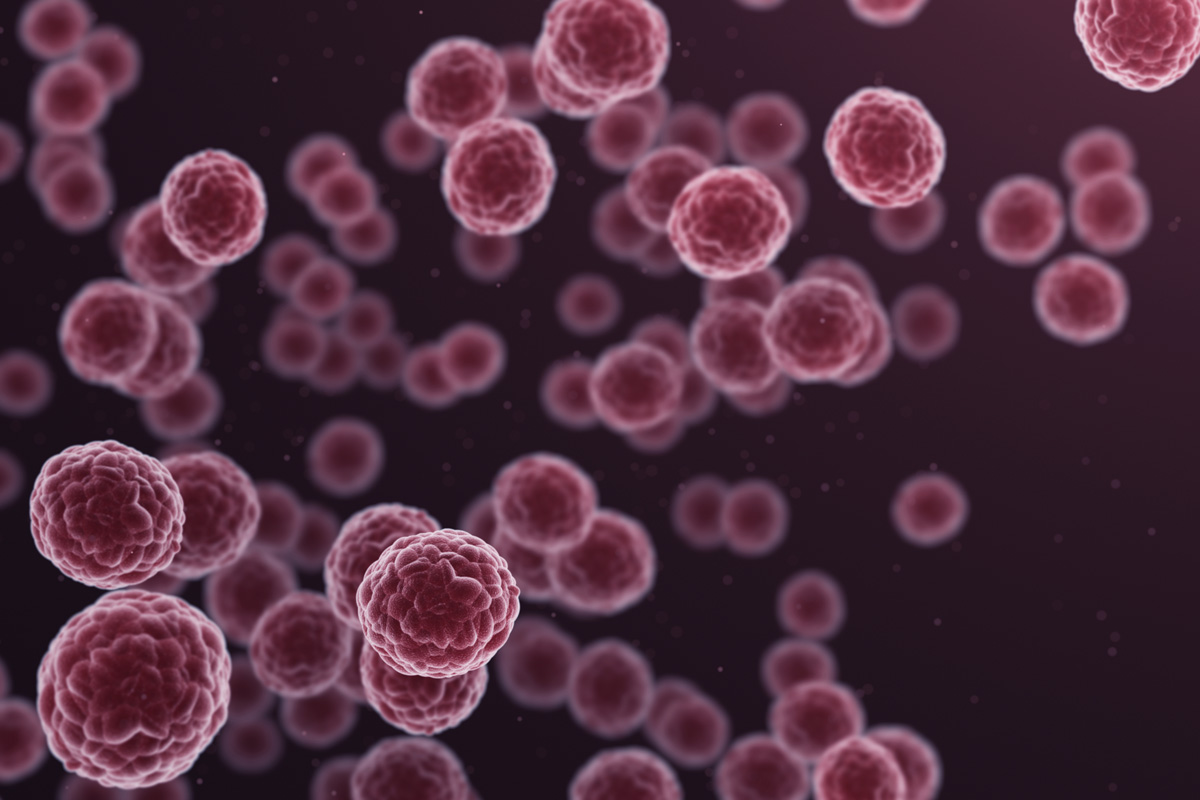 Insights of John Haanen, European Society for Medical Oncology (ESMO) Lifetime Achievement Award winner. Professor Haanen and his team developed a promising new treatment for melanoma, a form of skin cancer. In 2022 alone more than 100 000 new cases of melanoma were reported in the EU. This treatment,...
 -
Katherine Dunn: 'Climate change isn’t going away, both journalists and their audiences are in this for the long haul'
 Katherine Dunn is the Content Editor of the Oxford Climate Journalism Network, a new initiative by the Reuters Institute at the University of Oxford that aims to improve climate coverage in newsrooms worldwide. She was previously an editor at Fortune magazine, where she covered climate change and the...
 -
Kristoffer Frøkjær about constructive journalism: 'We need to empower people to believe that they can actually do something about climate change'
 Kristoffer Frøkjær has been editor and radio host for ten years at the Danish Broadcast Corporation. Furthermore, he has participated in creating the scientific website Videnskab.dk, lectured about science and media at the University of Copenhagen, and written several books in the field of popular science....
 -
Reporting on climate change, a complex task: challenges and solutions
 During the three days of the ESMH Summer School "Journalism and climate change: how to tell complex stories", journalists from different countries had a chance to learn about climate change reporting, its complexity and its main issues, but - above all - about possible solutions. It all started...