-
ESMH Media Review – November 22, 2023
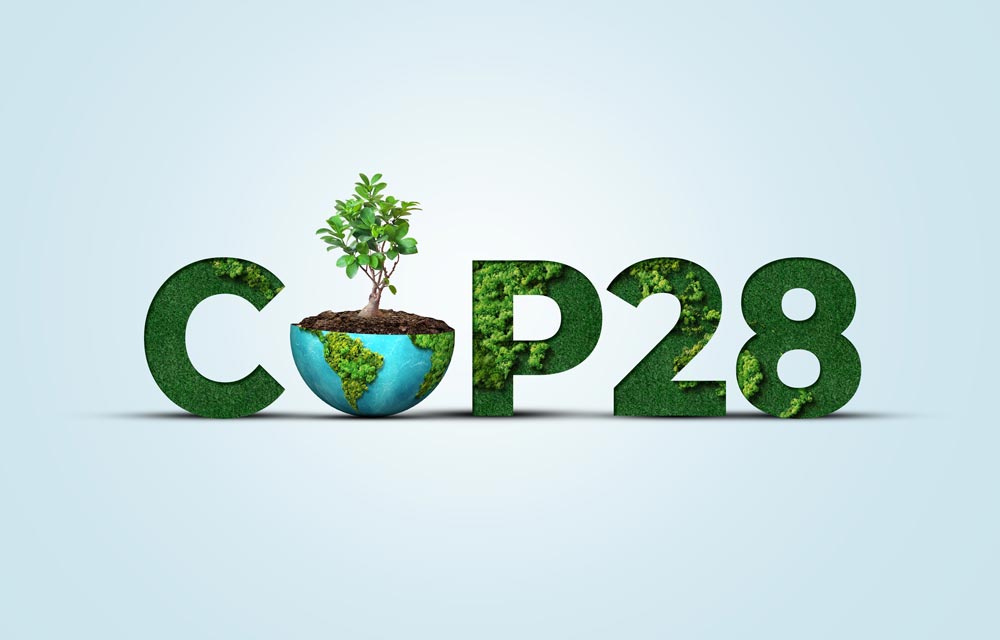
COP28, energy transition and tech platforms: check out the ESMH selection of 17 science and tech news published in the last weeks on the web.
-
Digital technologies and democracy: challenges ahead
 Interview with Professor Barbara Prainsack We cannot imagine a world without digital innovation and technology anymore. But what is its impact on our democracy, the corner stone of our civilisation? What challenges are we facing? The independent advisory body European Group on Ethics in Science and...
 -
Neurorights: Do our brains need to be protected by legislation?
 Interview with Prof. Guilherme Wood on neurorights Today we stand on the threshold of a new revolution: neurotechnology – devices and procedures that seek to access, assess, emulate and act on neural systems – is booming. Driven by new developments in artificial intelligence, they can be used for...
 -
STOA pairing scheme: when policy makers and scientists work hand in hand
 The European Parliament’s Panel for the Future of Science and Technology (STOA) organised in October a pairing scheme session in collaboration with the European Research Council (ERC). For two days, MEPs and scientists met, discussed and tried to learn from each other. The theme was science-driven...
 -
Luc Piguet: 'Today, we have over 2,000 failed satellites in orbit'
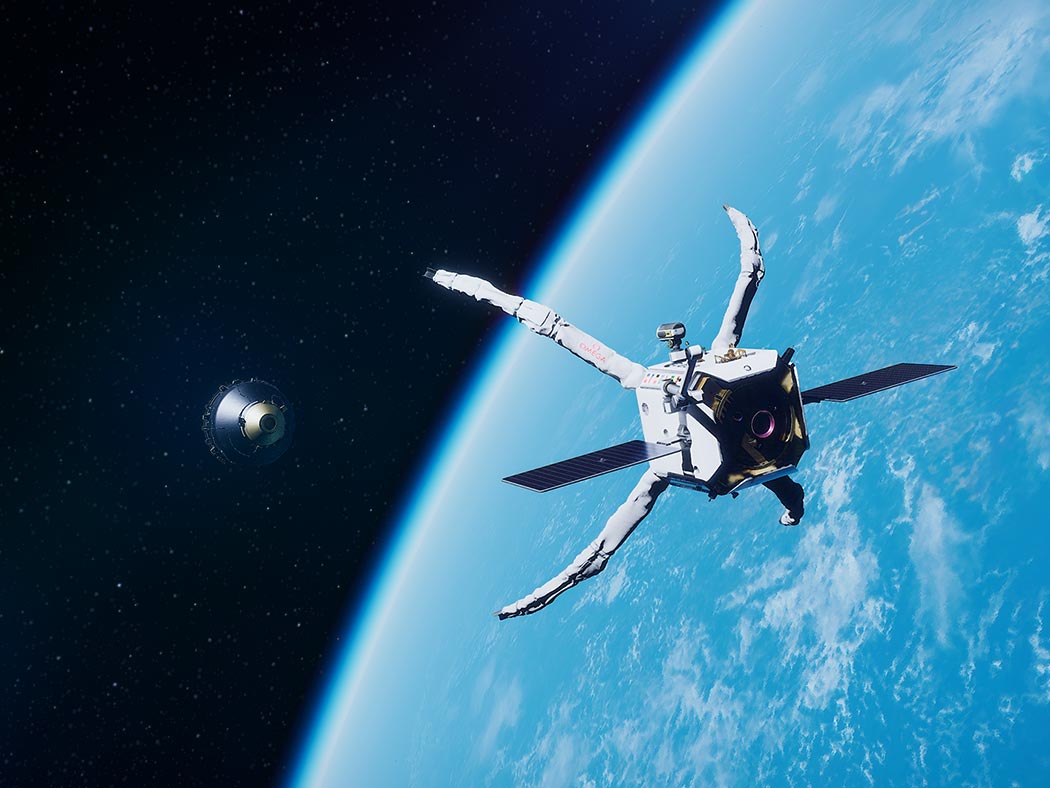 Interview with ClearSpace's CEO Luc Piguet on solutions for a sustainable circular space economy This Thursday 26 October, the European Parliament’s Panel for the Future of Science and Technology (STOA) will host a workshop on the Future of space - the sustainable path. We spoke with one of the speakers,...
 -
New STOA study on better access to medicines in the EU
 Interview with study author Simona Gamba When it comes to less profitable markets such as rare diseases, paediatric diseases or antimicrobials, medicines in the EU could be hard to come by, both in terms of price and availability. On Thursday 19 October, Senior Assistant Professor Simona Gamba (University...
 -
Digital immersive technologies and robotics in education
 Learning with the help of a social robot... Using virtual reality to understand complex concepts... Digital tools for teaching are becoming increasingly common in classrooms and universities around the world, but what are the risks? Concerns range from privacy and data security to questions on ethics...
 -
ESMH Media Review – October 04, 2023

Disinformation on social media: check out the ESMH selection of 14 science and tech news published in the last weeks on the web.

European Science-Media Hub
Bringing scientists, journalists and policymakers together: communicate better sound science to all