Rosa Garcia-Verdugo
 Rosa García-Verdugo studied biochemistry and, after several years at the bench, completed a PhD in Neurobiology at the Max Planck Institute. She is the author of Genética eres tú (Paidós/Grupo Planeta), a popular science book on genetics, and the founder of starvingneuron.com. She contributes to science outreach networks in Spanish and English, and works as a freelance science communicator and medical writer serving biotech companies and European research institutions.
-
Is banning children from social media 'the' answer?
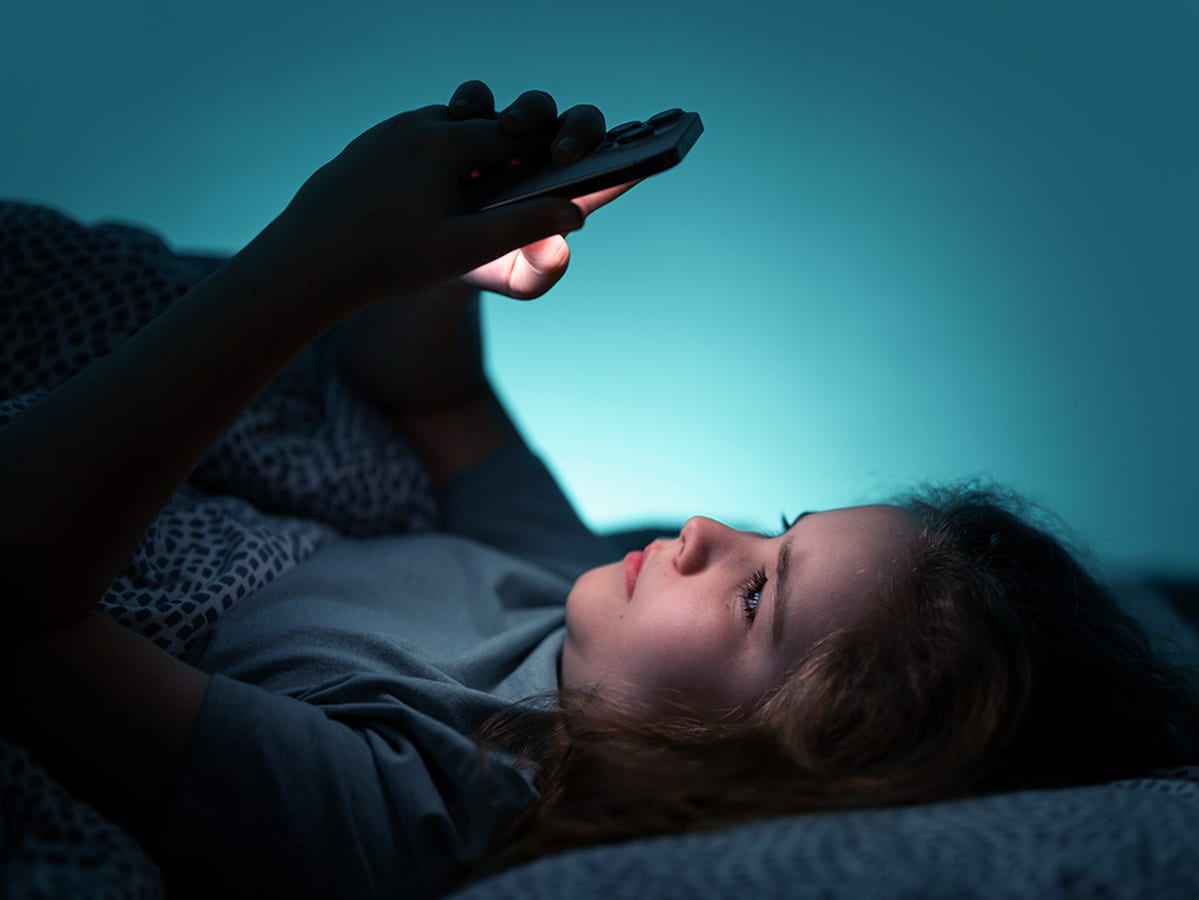 For many parents and policymakers alike, banning children from social media feels like the responsible thing to do in the fight against issues such as anxiety, sleep problems and screen addiction. But researchers warn that a social media ban alone cannot address the full spectrum of risks that children...
-
A multilingual news platform for better-informed EU citizens
 Wouldn't it be great to be able to access foreign news in your own language? A recent STOA study explores the idea of a news streaming platform that could transform how EU citizens access information across linguistic boundaries. The ESMH spoke with the two main authors of the study from the Centre...
-
A scientist’s opinion: interview with Dr Konrad Bleyer-Simon on building a European news streaming platform
 Dr Konrad Bleyer-Simon is lead researcher of STOA’s project “A European news streaming platform. Study on European added value and governance”. Could you elaborate on the concept of a European news streaming platform and outline the potential benefits it could offer to EU citizens? Konrad Bleyer-Simon:...
-
A scientist’s opinion: interview with Dr Jan Erik Kermer on building a European news streaming platform
 Dr Jan Erik Kermer is co-lead Researcher of STOA’s report on “A European news streaming platform. Study on European added value and governance”. Why do we need a European news platform when people can already watch news from other countries online; are EU citizens interested in news from other EU...
-
Fostering trust in the digital age: ensuring the quality of online information
 If there is one thing the COVID-19 pandemic highlighted, it is how digital misinformation can severely impact public discourse and decision-making. It underscores the critical need for reliable scholarly communication online. We discuss these challenges with Dr. Suzanne Dumouchel, co-coordinator of...
-
From forever chemicals to safer alternatives: coordinated efforts to improve chemical safety in Europe
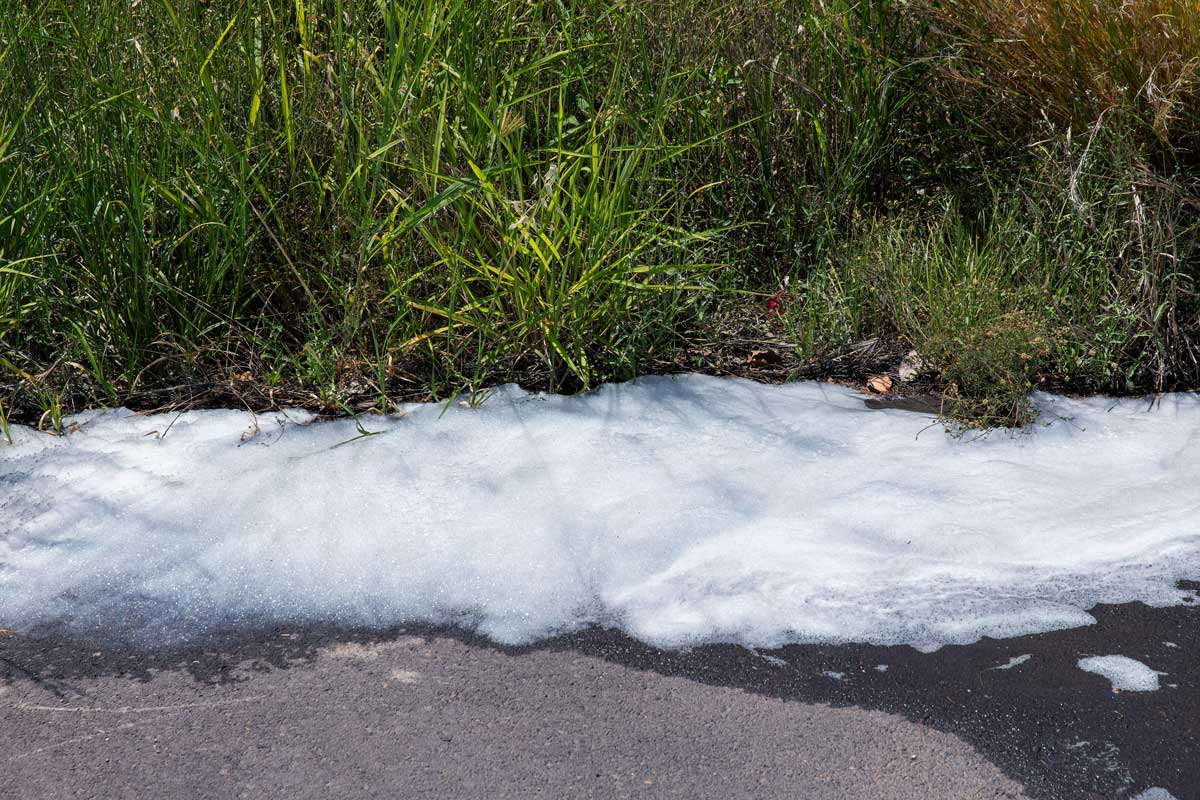 The presence of harmful chemicals in the environment, such as PFAS, pesticides and harmful chemicals found in (micro) plastics, poses a challenge. Not only to our planet but also to our health. What can we do to minimise chemical risks? We spoke with Pascal Sanders, project coordinator of PARC (Partnership...
-
STOA high-level conference 'Perspectives on Academic Freedom in Europe and beyond'

On Wednesday 5 February at 14h-17h CET, the high-level conference 'Perspectives on Academic Freedom in Europe and beyond' took place in the European Parliament’s library room in Brussels. You can watch the recording of the event.
-
Revolutionising food production: 'Similar to making wine'
 Peter Rowe is part of the REACT-FIRST consortium and CEO of Deep Branch, a British carbon recycling biotechnology company. They have pioneered a process that uses microbes to convert carbon dioxide from industrial emissions and turns them into high-value proteins. This way, they aim to secure the global...