
Articles
ESMH regularly publishes articles on topics related to science and new technologies that provoke a lot of media attention and that are important in the European context. Most importantly, the articles are written with the help of science writers in journalistic style and always provide the opinion of one or more scientists on the topic. The publications are accompanied by a selection of links to related information and with a focus on European research and knowledge in the field.
-
Henry Ajder on generative AI: 'We need a balance between excitement and supervision'
 Henry Ajder is a renowned expert on generative artificial intelligence (AI) and deepfakes. He advises companies and governments including Adobe, Meta and the European Commission on the impact of AI on business and society. Ajder also hosted "The Future Will Be Synthesised", a BBC radio series on deepfakes...
 -
Carbon capture, utilisation and storage: a polarising or pragmatic part of the EU climate toolbox?
 Carbon capture, utilisation and storage technologies could help tackle hard-to-abate emissions in the fight against climate change, but they face challenges in investment, viability and scepticism when it comes to risks of greenwashing and allowing business as usual. Carbon capture, utilisation and...
 -
'Heavy red meat eaters could be CO2-taxed in the future'
 "However, we also propose that fruit and vegetables should become more affordable." Interview with Eric Lambin, Chief Scientific Advisor to the European Commission, about the scientific consensus towards sustainable food consumption in the EU and the new scientific opinion on this topic. If you...
 -
The use of non-invasive brain stimulation for mental health and more: ethics and EU regulation
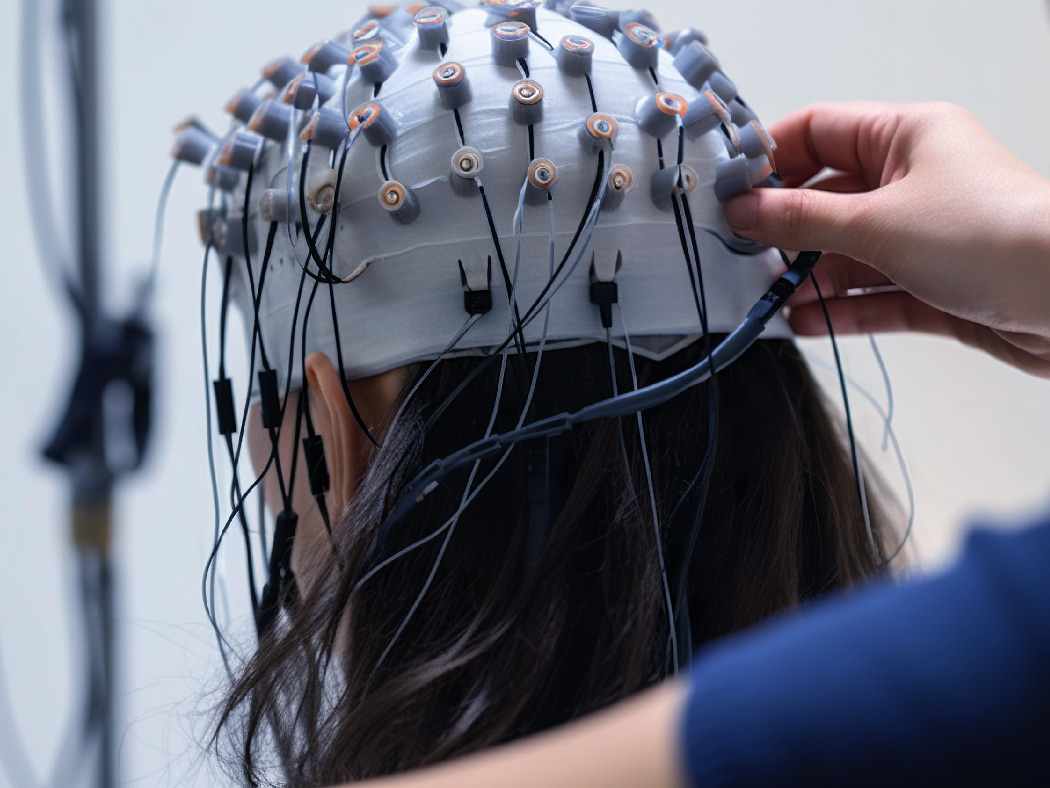 As part of an international research consortium (the EU-funded STIMCODE project), senior researcher Dr Moritz Julian Maier and his team have just developed recommendations on EU regulation and a code of conduct regarding non-invasive brain stimulation techniques: electrically or electromagnetically stimulating...
 -
Prof. Mike S. Schäfer on ChatGPT and other generative AI tools: ‘A gamechanger for science communication’
 Mike S. Schäfer, Professor of Science Communication at the University of Zürich (Switzerland), has been investigating communication and artificial intelligence (AI) for several years. He is currently focussing on how the development of the technology and its impact on society are envisioned in public...
 -
Tackling rare diseases together: Prof. Kjeld Schmiegelow proposes more collaboration and EU expert hubs
 "Multinational rare disease expert hubs would speed up research, innovation and development", says Kjeld Schmiegelow, Professor of paediatrics and paediatric oncology at the Copenhagen University Hospital (Denmark). Together with his colleagues, he proposes an EU level framework for data sharing and...
 -
How could the education system motivate young people to take climate action?
 Climate change is one of the biggest challenges in our society. Scientists are researching the role of the education system in combating global warming and how it could motivate younger generations to take climate action. Undoubtedly, one of the most important challenges that the European Union will...
 -
Interview with Dr John Cryan: 'The guts to change neuroscience'
 "Understanding how our brain is constantly receiving signals through our gut, as well as the microbiome living there, is of great importance for all aspects of our physiology", says Irish neuroscientist Professor John Cryan. John Cryan is the principal investigator in the APC Microbiome Ireland research...