Disinformation
-
What drives public trust? Broadening the traditional scope of science communication with TRESCA
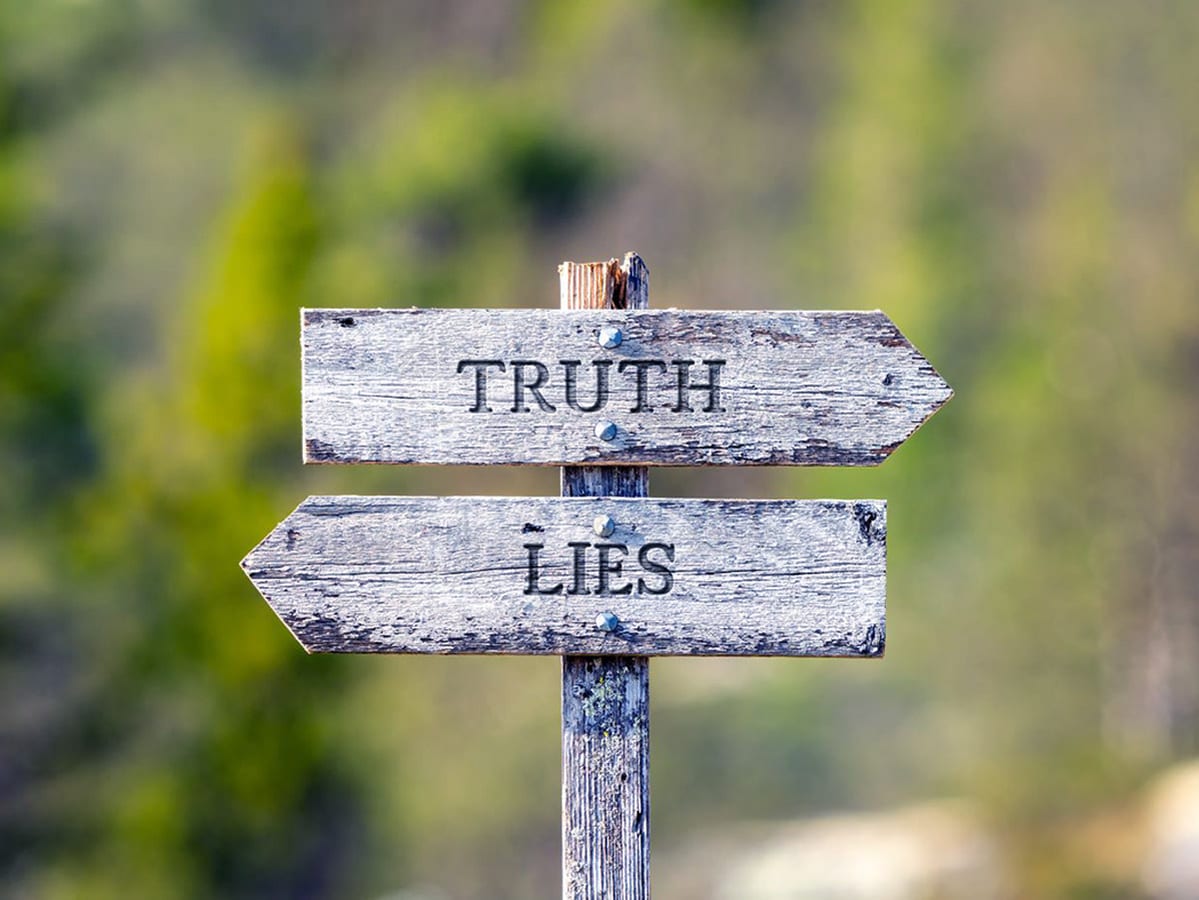
The COVID-19 pandemic has accelerated the digitalisation of our daily lives and, by now, we are all a bit more dependent on technology than we had been before. But how can we trust all the scientific information that we receive through the media? How can we have a common understanding of what is reliable...
-
Michael Hameleers : "The most effective way to combat mis- or disinformation seems to be a combination of media literacy programmes and fact-checking"
 Michael Hameleers (PhD, University of Amsterdam) is Assistant Professor in Political Communication at the Amsterdam School of Communication Research (ASCoR), Amsterdam, Netherlands. His research interests include populism, framing, (affective) polarization, and disinformation. Recently, most of his research...
-
Zarine Kharazian from Digital Forensic Research Lab about the research on Covid-19 disinformation
 Zarine Kharazian is Assistant Editor with the Digital Forensic Research Lab, a start-up within the Atlantic Council that focuses on researching and combating disinformation and protecting democratic institutions and norms from those who would seek to undermine them in the digital engagement space. At...
-
Nahema Marchal: "People who seek junk content, because they find it entertaining or are simply curious, will always find it"
 Nahema Marchal is a doctoral candidate at the Oxford Internet Institute, University of Oxford, and a researcher for the Computational Propaganda Project. Her research examines the relationship between social media and polarization and the manipulation of digital platforms in the context of mis- and disinformation...
-
Renée DiResta: "The effectiveness of countering Covid-19 disinformation depends on the degree of trust your government enjoys"
 Renée DiResta is the Technical Research Manager at the Stanford Internet Observatory. She investigates the spread of malign narratives across social and other media networks. Renee’s areas of research include disinformation and propaganda by state-sponsored actors, and health misinformation and conspiracy...
-
Interview with Stephan Lewandowsky, cognitive scientist at the University of Bristol
 Stephan Lewandowsky is a cognitive scientist with an interest in computational modelling. Recently, he has become particularly interested in how people update their memories if things they believe turn out to be false. This has led him to examine the persistence of misinformation and spread of “fake...
-
Interview with Rasmus Kleis Nielsen, Director of the Reuters Institute for the Study of Journalism on Covid-19 misinformation
 Rasmus Kleis Nielsen is Director of the Reuters Institute for the Study of Journalism. He is also Professor of Political Communication at the University of Oxford. He was previously Director of Research at the Reuters Institute and Editor-in-Chief of the International Journal of Press/Politics. His...
-
Infodemic: how coronavirus became the litmus test for tech companies' struggle to contain mis- & disinformation
 Face to the 'infodemic': Facebook, Twitter and Google are among the actors pushed into action in the face of fast spreading Covid-19 disinformation but the efficiency of their efforts will need proper evaluation. As the world grapples with the coronavirus pandemic that found most governments around...