
Environment
-
Circular and quality fashion could hem textile waste and give the planet a break
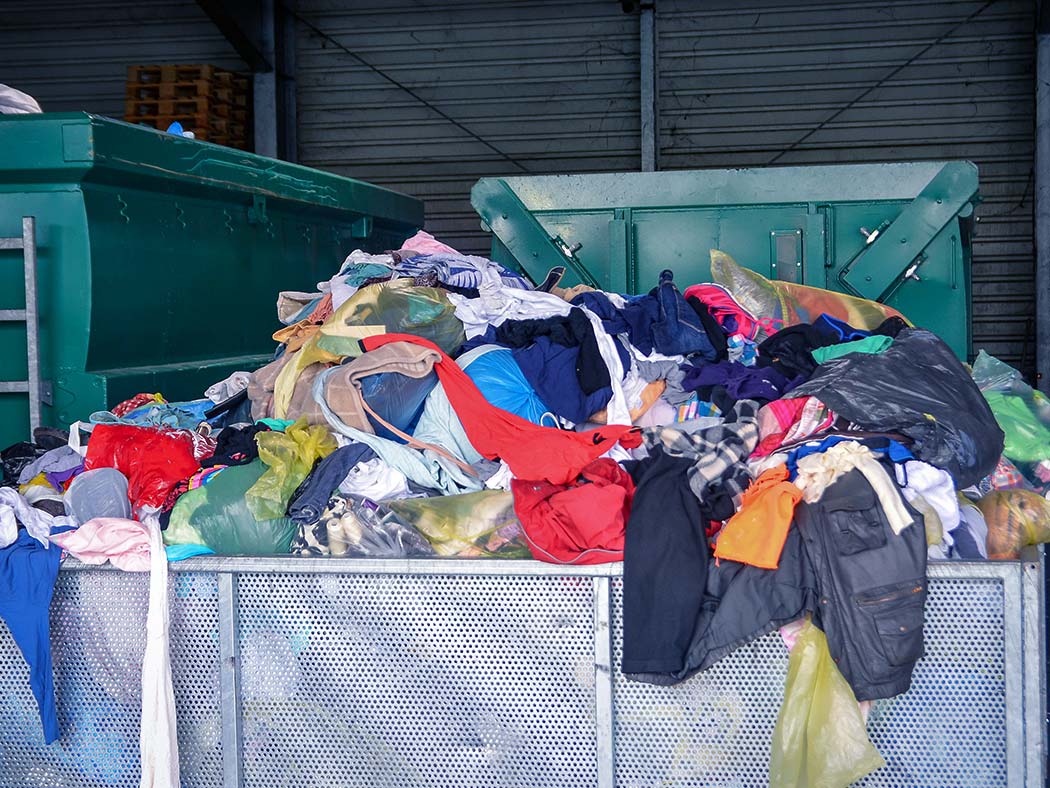 Fast fashion practices are pumping out cheap clothes worn only a few times before being thrown away, leading to huge amounts of textile waste – and it is the climate and environment bearing the cost. Better quality textiles, greater circularity and consumer awareness are key to hem the waste, with several...
 -
Preserving marine ecosystems: the case for alternative fishing methods
 In order to preserve marine ecosystems and ensure the long-term viability of fisheries, there is an urgent need for sustainable fishing practices and innovation. This is underscored by the recent study ‘Exploring the Viability of Innovative Fishing Technologies’, commissioned by the European Parliament’s...
 -
Healthy soils: essential for food and climate, but on shaky ground

Soils are vital for producing food and tackling climate change, but Europe’s soils are in a sorry state. A proposed EU law to be hashed out this year aims to monitor soils and restore them to health - what are the prospects for getting this precious resource back on track?
-
Microplastic pollution: an ever growing problem, yet knowledge gaps on impacts to human health remain
 Plastic is everywhere. Adaptable, cheap and resilient, the material is ubiquitous in the modern world – and so is plastic pollution, contaminating the air we breathe, the water we drink and the soil we grow our food in. Microplastic pollution is especially a problem that just keeps on getting bigger,...
 -
Prof. Francesco Forastiere: Understanding industrial air pollution and its health impacts in the EU
 Professor Francesco Forastiere, a renowned Italian environmental epidemiologist. He recently co-authored a newly published study on industrial air pollution in the EU. He is also a temporary adviser to the World Health Organization. The study was commissioned by the European Parliament’s Panel for the...
 -
Food made from air - sustainable protein production imitates nature
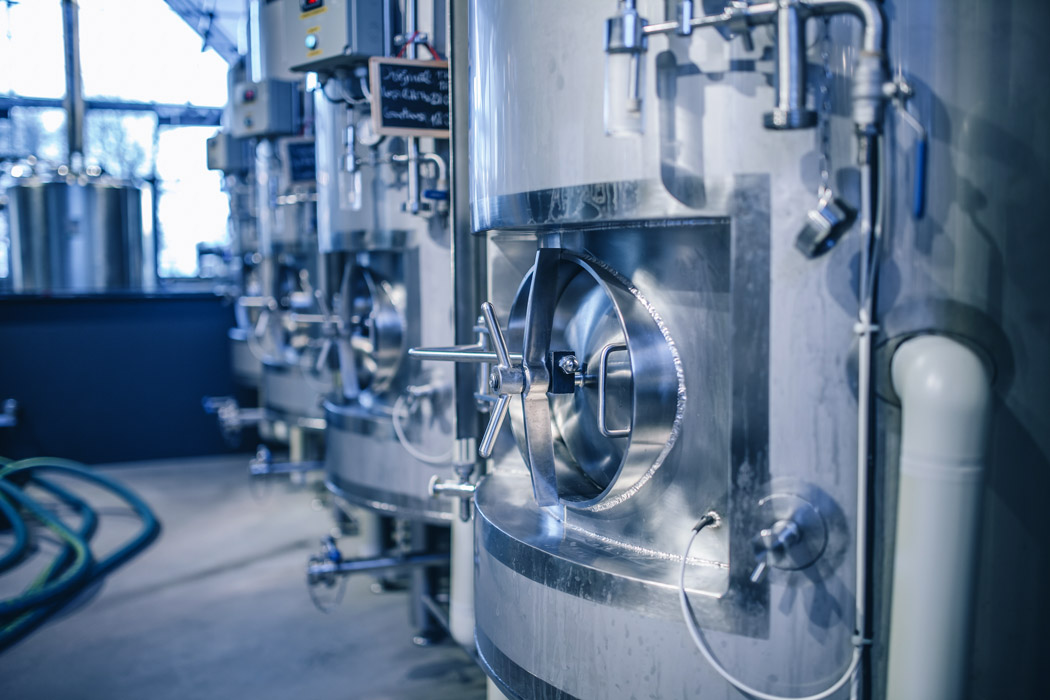
Feeding an expanding global population has a high cost, particularly for the planet. However, new food production methods aim to relieve this pressure by fixating atmospheric CO2 into climate-friendly food and feed products.
-
Carbon capture, utilisation and storage: a polarising or pragmatic part of the EU climate toolbox?
 Carbon capture, utilisation and storage technologies could help tackle hard-to-abate emissions in the fight against climate change, but they face challenges in investment, viability and scepticism when it comes to risks of greenwashing and allowing business as usual. Carbon capture, utilisation and...
 -
How could the education system motivate young people to take climate action?
 Climate change is one of the biggest challenges in our society. Scientists are researching the role of the education system in combating global warming and how it could motivate younger generations to take climate action. Undoubtedly, one of the most important challenges that the European Union will...