Information Society
-
Érika Roldán Roa: 'Knowledge, research, and enjoyment of science, technology, engineering and mathematics (STEM) are fundamental rights'
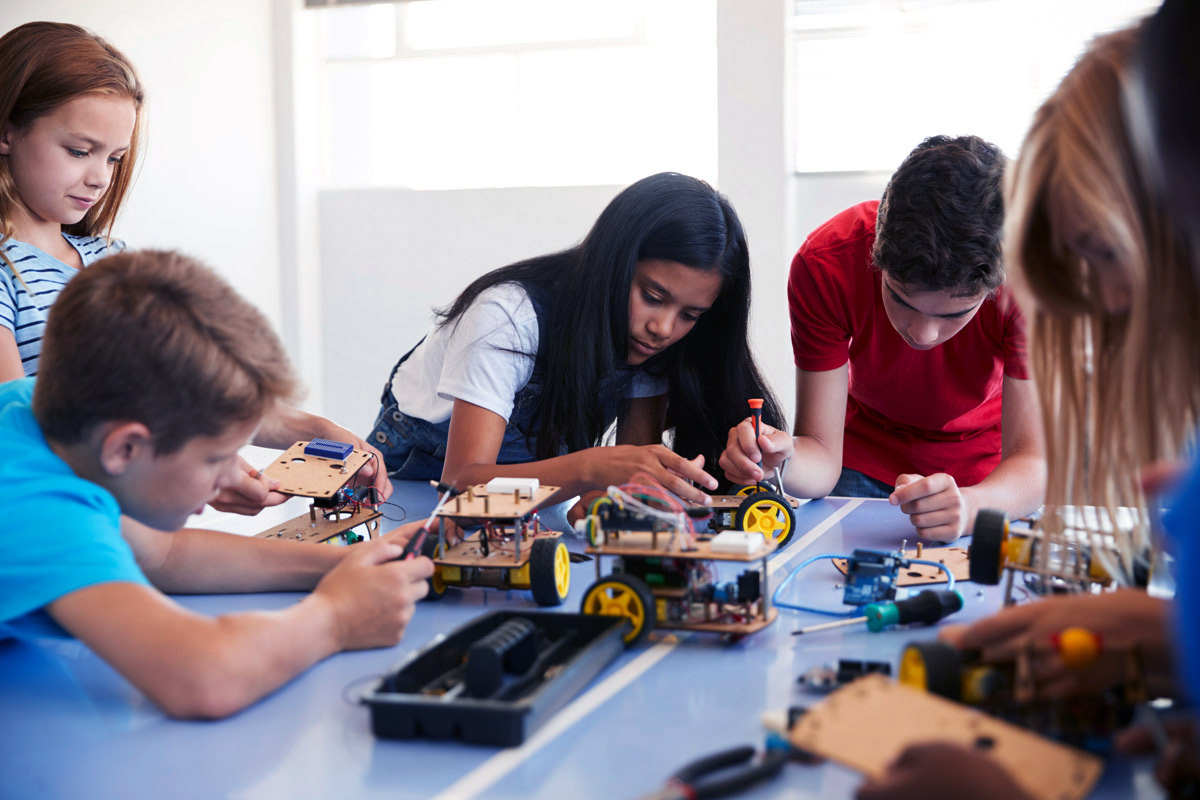 Érika Roldán Roa talks to the European Science-Media Hub about open science, diversity and gender equality in science. Mathematician Érika Roldán Roa is a team leader at the Max Planck Institute for Mathematics in the Sciences, and is affiliated with the Center for Scalable Data Analytics and Artificial...
 -
Prof. Maryna Viazovska: 'Science is a dream of the future and a refuge for the soul'
 In July 2022, mathematician Prof. Maryna Viazovska received a Fields Medal, a prestigious honour often described as the 'Nobel Prize of Mathematics'. The 37-year-old professor, who works at the Swiss Federal Institute of Technology in Lausanne, is the second woman to receive this prestigious award in...
 -
Interview with Dr. Paul Stoneman: 'We see an increase in polarisation of complete trust or no trust at all in scientists'
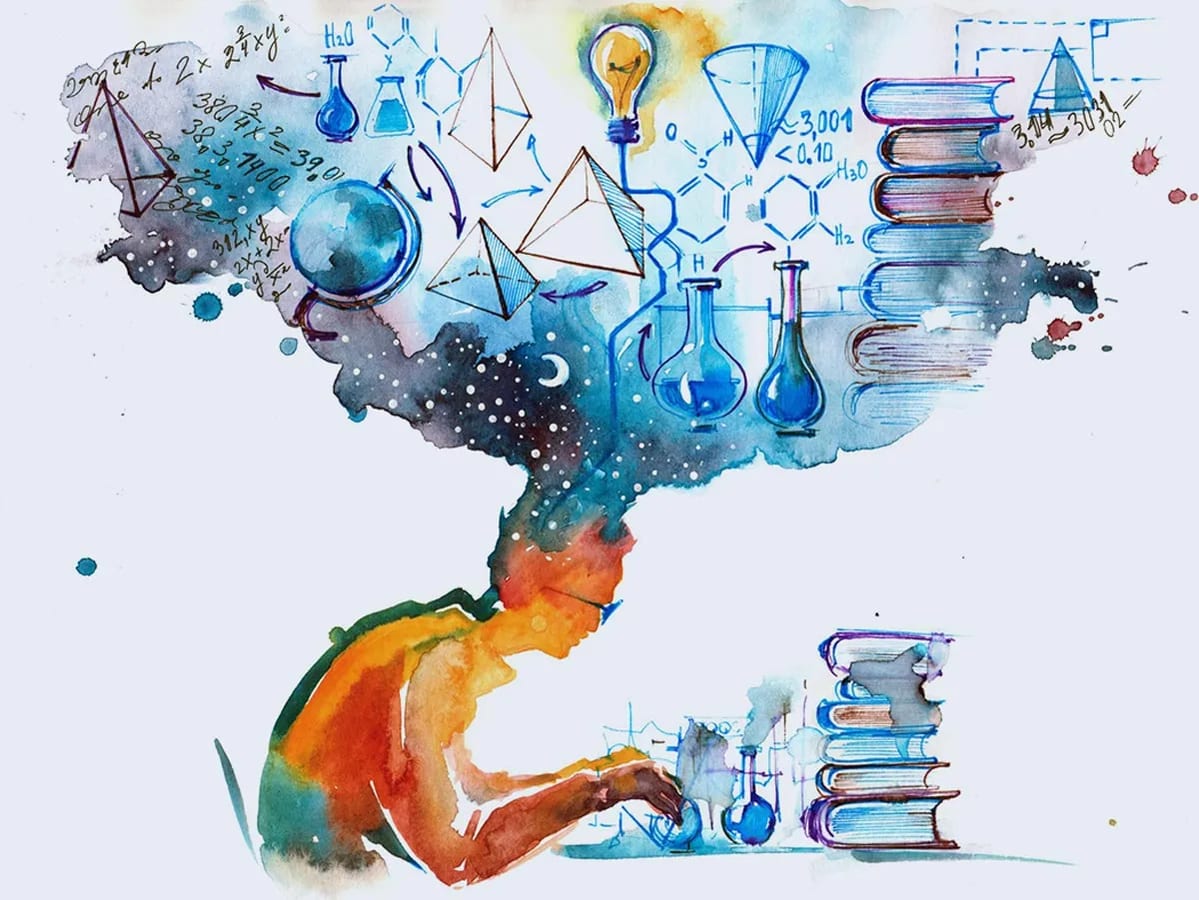 Paul Stoneman is a political scientist who specialises in quantitative methods and social and political attitudes. He is currently one of the principal investigators of the World Values Survey, an international research program devoted to the study of social, political, economic, religious and cultural...
 -
Mike S. Schäfer: 'Science is a matter of facts, not opinions'
 Mike Schäfer from the University of Zurich talks about why the pandemic has amplified science journalists’ fatigue, how accelerated science affects the quality of reporting, and how politics can ease the burden. How has the pandemic affected science journalism? Mike Schäfer: The pandemic has changed...
 -
Walter Quattrociocchi on the Infodemic and how disinformation spreads on different social media
 Associate Professor Walter Quattrociocchi of the Sapienza University of Rome recently published a study called ‘The COVID-19 social media infodemic’. By analysing massive amounts of data on Twitter, Instagram, YouTube, Reddit and Gab, Quattrociocchi and his team assessed the global evolution of discourse...
 -
What drives public trust in science-based policies? Ask PEriTiA
 A multinational EU research project will review the role of science in policy decision-making using climate change as a proxy with the aim of establishing public trust. We live in complex times. Times when the opinion of uninformed sources in social media seems to have a stronger influence than expert...
 -
ESMH selection: sources of information about Coronavirus
 As the COVID-19 pandemic continues, the need for reliable sources of information on the virus and ensuing crisis is more important than ever. To this end, the European Science-Media Hub has compiled a list of such sources, ranging from recognised official international webpages providing daily updates,...
 -
e-Governance: the Estonian Case

Estonia is one of two countries worldwide to offer an e-Residency, a government-issued status and identity granting access to the EU’s digital business environment. Even Barack Obama is an Estonian e-Resident. Which challenges do e-Residency and e-Governance in general pose for the public sector, and...